26th April, 2024 – Newly published paper in Science Advances
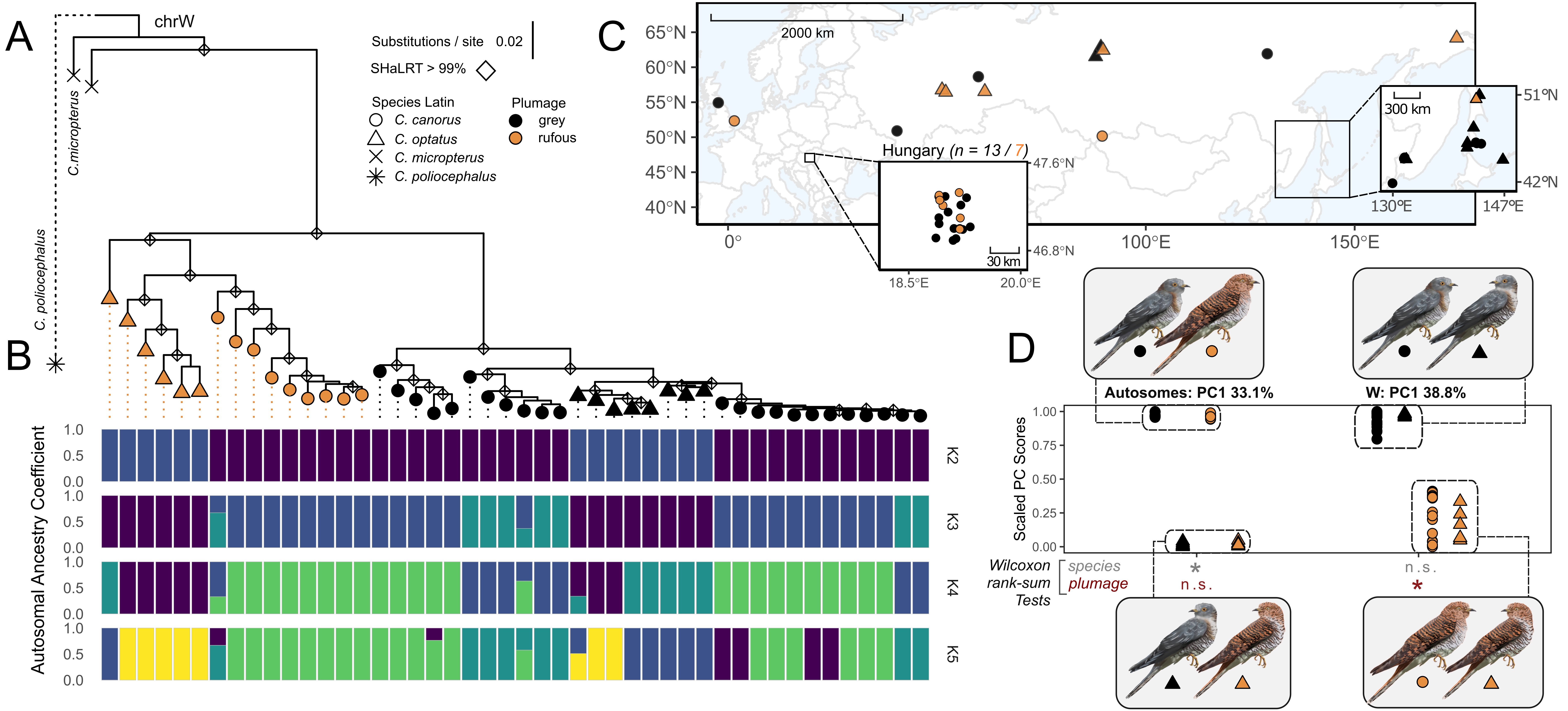
The females of the Eurasian cuckoo (Cuculus canorus) and Oriental cuckoo (Cuculus optatus) either belong to the more common gray morph (plumage similar to that of males), or to the rufous morph. In our new study, we show that the plumage dichromatism of these two species is linked to the female sex chromosome  This trait most likely was already present in the common ancestor of the two species about 1 million years ago, prior to the speciation which happened roughly 140.000 years ago.
This study was partly supported by the TE grant.
Merondun J, Marques CI, Andrade P, … [11 co-authors] …, Fülöp A, … [6 co-authors] …, Marton A, … [11 co-authors] …, Wolf JBW 2024. Evolution and genetic architecture of sex-limited polymorphism in cuckoos. Science Advances 10: eadl5255. link
Abstract
Sex-limited polymorphism has evolved in many species including our own. Yet, we lack a detailed understanding of the underlying genetic variation and evolutionary processes at work. The brood parasitic common cuckoo (Cuculus canorus) is a prime example of female-limited color polymorphism, where adult males are monochromatic gray and females exhibit either gray or rufous plumage. This polymorphism has been hypothesized to be governed by negative frequency-dependent selection whereby the rarer female morph is protected against harassment by males or from mobbing by parasitized host species. Here, we show that female plumage dichromatism maps to the female-restricted genome. We further demonstrate that, consistent with balancing selection, ancestry of the rufous phenotype is shared with the likewise female dichromatic sister species, the oriental cuckoo (Cuculus optatus). This study shows that sex-specific polymorphism in trait variation can be resolved by genetic variation residing on a sex-limited chromosome and be maintained across species boundaries.
24th April, 2024 – Halfway through the time-restricted feeding experiment: preliminary results
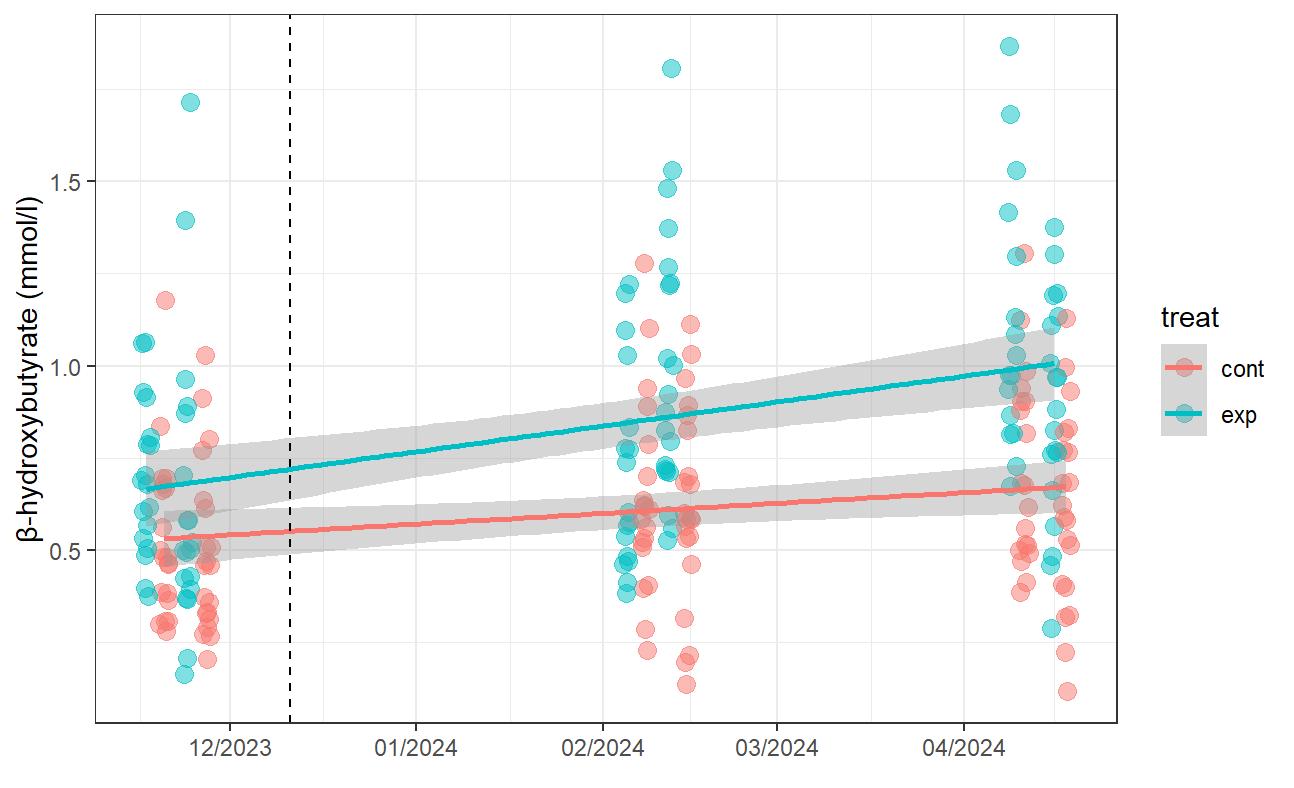
Time-restricted feeding is known to have several beneficial effects on the organism, most notably, it slows down the ageing process. We launched an experiment in December to test the effect of time-restricted feeding on house sparrow (Passer domesticus) body condition, blood glucose and β-hydroxybutyrate (i.e., ketone body) levels, oxidative physiology and telomere attrition rates. While, the birds in the experimental groups had access to food only for 8 hr/day, the birds in the control group had no feeding restrictions except those imposed by the natural conditions (i.e., daytime length, which steadily increased after the winter solstice). Therefore, 130 days after starting the treatment, as the length of daytime is more than 13 hours, birds in the control group had more than 5 hours to feed than the birds in the experimental group.
After the pre-treatment samples collected at the end of November, we collected samples in the first part of February and in April. Overall, although the experimental and control groups are starting to diverge in regard to some parameters (e.g., β-hydroxybutyrate levels), we found no marked evidence as of yet in body mass and condition, body temperature and glucose levels between the two groups. The next sampling event will be centered around the summer solstice (22nd June) and we aim to test the long-time effects of the treatment also, by sampling the sparrows in December, one year after the start of the treatment.
22th April, 2024 – We presented our results at the 24th Biology Days at Babeș-Bolyai University, Cluj-Napoca
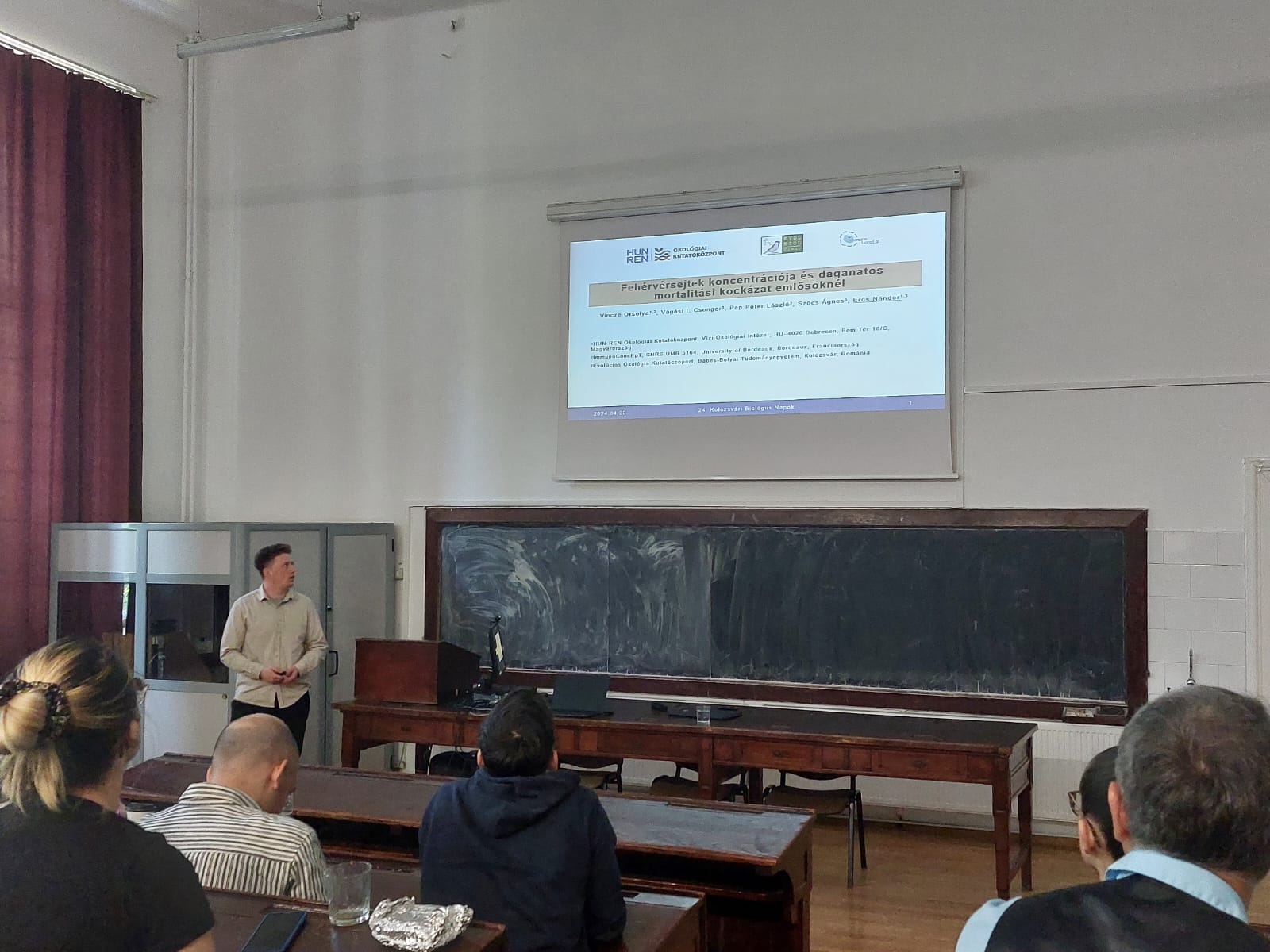
We aim to involve graduate and postgraduate students in all our studies, and we are very happy to see them present our results at various conferences. Nándor Erős, PhD student in our team, gave a talk about the relationship between immune cell concentrations and cancer mortality risk in mammals at the 24th Biology Days at Babeș-Bolyai University.
In his talk, Nándor discussed the variation in cancer mortality rates among different species and presented two competing hypotheses regarding the role of the immune system in this variation. The immune surveillance hypothesis suggests that the immune system evolved to prevent uncontrolled cell proliferation in tumors, while the immunopathology hypothesis proposes that chronic activation of the immune system may actually contribute to tumor formation. We tested these hypotheses through cross-species comparisons of age-controlled cancer mortality risk and species-specific parameters related to inherent cancer resistance, using data from 249 mammalian species obtained from zoos. Our results show that certain white blood cell types, specifically low monocyte and neutrophil concentrations but high eosinophil concentrations, are associated with increased likelihood of detecting cancer. However, total or specific white blood cell concentrations are unrelated to cancer mortality risk. Additionally, inherent cancer resistance increases with higher monocyte and neutrophil concentrations. These findings suggest that evolution may have shaped the abundance of certain white blood cell types in response to the risk of tumor formation associated with large body sizes and extended longevities.
19th April, 2024 – Article accepted for publication in Proceedings of the Royal Society B
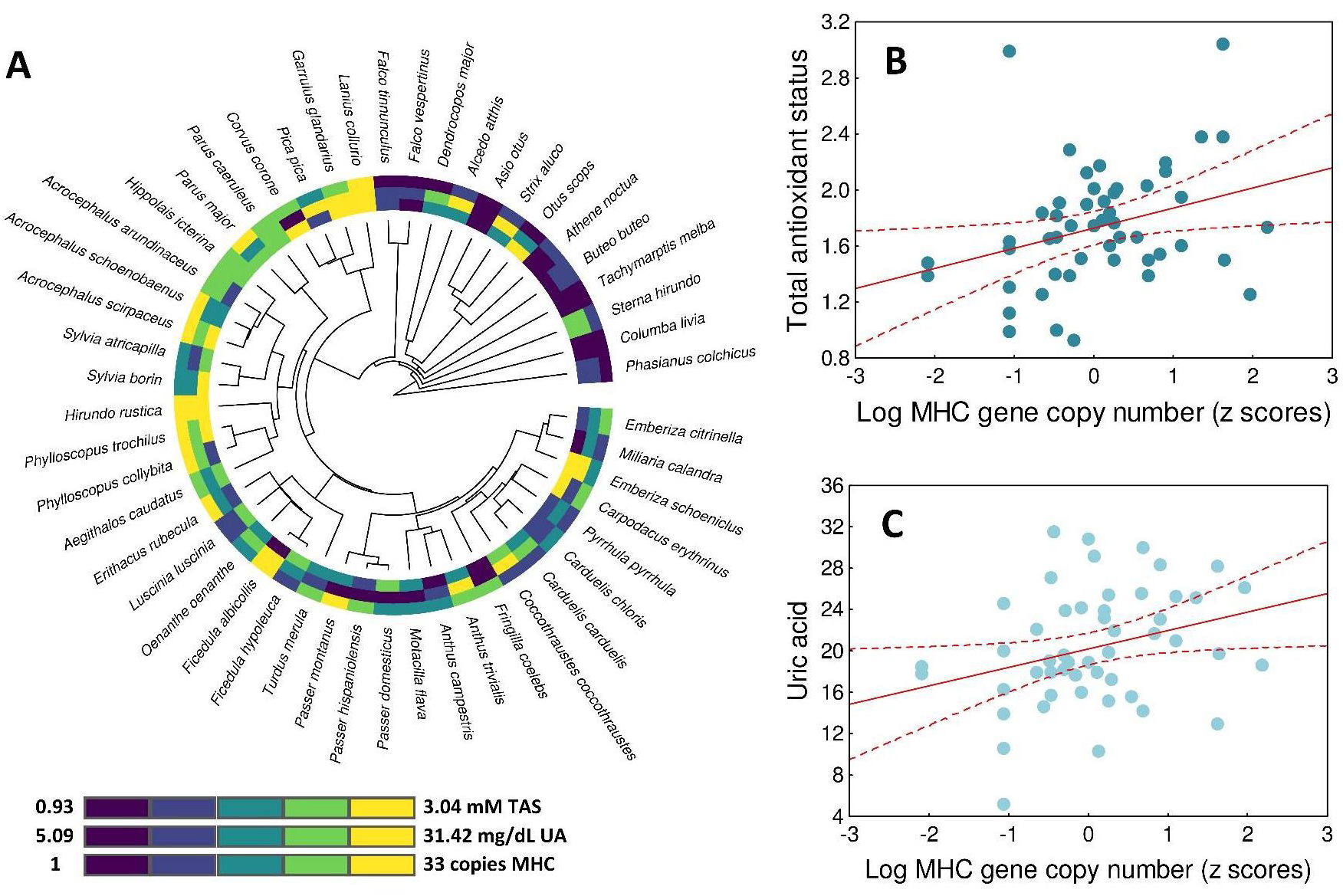
Our study exploring the coevolution between immunity genes of the major histocompatibility complex and the oxidative physiology of birds has been accepted for publication in the prestigious journal Proceedings of the Royal Society of London B.
Minias P, Pap PL, Vincze O and Vágási CI 2024. Correlated evolution of oxidative physiology and MHC-based immunosurveillance in birds. Proceedings of the Royal Society of London B (accepted).
Abstract
Maintenance and activation of the immune system incurs costs, not only in terms of substrates and energy, but also via collateral oxidative damage to host cells or tissues during immune response. So far, associations between immune function and oxidative damage have been primarily investigated at intra-specific scales. Here, we hypothesized that pathogen-driven selection should favour evolution of effective immunosurveillance mechanisms (e.g. Major Histocompatibility Complex, MHC) and antioxidant defences to mitigate oxidative damage resulting from immune function. Using phylogenetically-informed comparative approaches, we provided evidence for correlated evolution of host oxidative physiology and MHC-based immunosurveillance in birds. Species selected for more robust MHC-based immunosurveillance (higher gene copy numbers and allele diversity) showed stronger antioxidant defences, although selection for MHC diversity still showed a positive evolutionary association with oxidative damage to lipids. Our results indicate that historical pathogen-driven selection for highly duplicated and diverse MHC could have promoted the evolution of efficient antioxidant mechanisms, but these evolutionary solutions may be insufficient to keep oxidative stress at bounds. Although the precise nature of mechanistic links between the MHC and oxidative stress remains unclear, our study suggests that a general evolutionary investment in immune function may require co-adaptations at the level of host oxidative metabolism.
Keywords: antioxidant defence, birds, evolution, MHC, immunopathology, oxidative physiology.
16th April, 2024 – Manuscript submitted in Journal of Avian Biology special issue
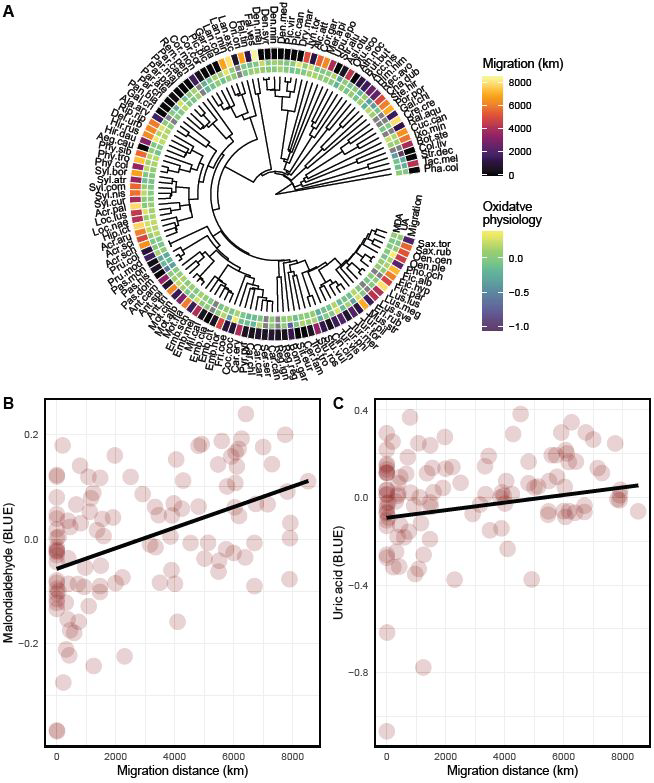
Journal of Avian Biology, one of the leading journals in Ornithology announced a special issue, which aims for “exploring new approaches to study the physiological underpinnings that enable, or possibly constrain, avian migration”. We proposed a comparative study, which explores the oxidative physiological consequences of flight in general and migration in particular in European birds. Our proposal was accepted and therefore we were invited to submit the manuscript of our study. We now submitted it.
Pap PL, Vincze O and Vágási CI 2023. Oxidative physiology of flight and migration in European birds. Submitted to Journal of Avian Biology.
Abstract
Flight can be highly-energy demanding, but its efficiency depends largely on flight style, wing shape and loading, and a range of morphological and lifestyle adaptations that can modify the cost of sustained flight. Such behavioural and morphological adaptations can also influence the physiological costs associated with migration. For instance, during intense flight and catabolism of reserves, lipid damage induced by prooxidants increases, and to keep oxidative physiological homeostasis under control, the antioxidant machinery is upregulated. Studies on the oxidative physiology of endurance flight have produced contradictory results, making generalization difficult, especially because multispecies studies are missing. Therefore, to explore the oxidative cost of flight and migration, we explored the association between three measures of the antioxidant capacity (total antioxidant status, uric acid and glutathione concentration) and one measure of oxidative damage of lipids (malondialdehyde) with variables reflecting flight energetics (year-round or specifically during migration) across 113 European bird species using a phylogenetic framework. We found that none of the traits predicting year-round flight energy expenditure, including flight style, wing morphology and flight muscle morphology explained any measures of oxidative state measured during the energy demanding breeding period, suggesting that birds endure their everyday exercise without or low oxidative cost. However, oxidative damage to lipids and one component of the endogenous antioxidant system (uric acid), measured after the end of spring migration on breeding adult birds, increased with migration distance. Our results suggest that migration might have oxidative consequences that are carried over to subsequent life history stages (breeding).
Keywords: antioxidants, birds, flight style, migration, oxidative stress, wing morphology
15th March, 2024 – The preliminary analyses of the flight exercise experiment with homing pigeons
As we reported earlier, in 2023 we performed an experiment on homing pigeons (Columba livia domestica). During the study period all pigeons were allowed to performe short flights around the loft on a daily basis, yet, between days 0 and 37 pigeons from the flight group performed regular exercise flights (N = 9 flights), one flight at every ~4 days. The distance covered in flight by the birds during the exercise flights started from 22 km (i.e., straight line distance from the loft) and was gradually increased to 110 km (mean ± SD: 62.44 ± 33.62). The birds from the control group flew only around the loft and were not trained for long-distance flights at all. We sampled all birds at the beginning and at the end of the training period, and once again after another five weeks resting period during which the birds performed only short flights around the loft. At all sampling events we measured the body mass of the birds, blood glucose and β-hydroxybutyrate concentrations, and took a blood sample to quantify oxidative homeostasis and telomere attrition rate indicating physiological ageing.
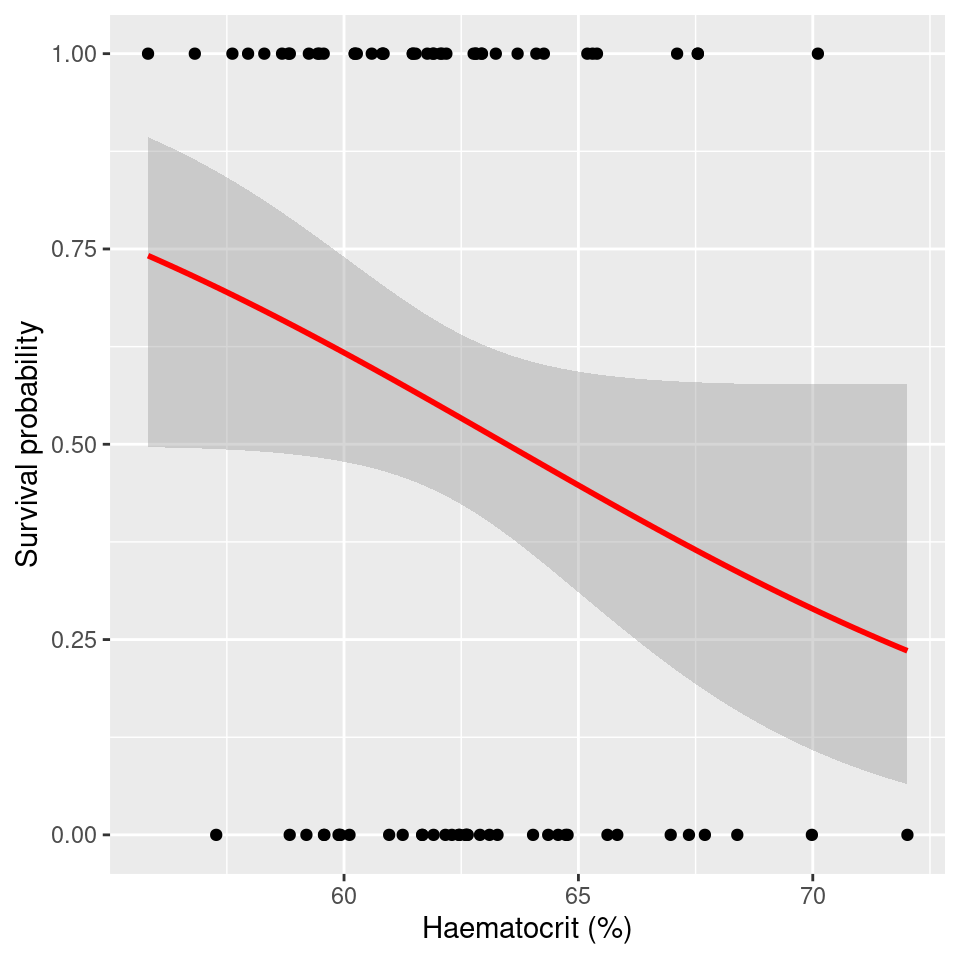
Our preliminary analyses indicate that the flight exercise had no effect on the body mass, body condition, glucose and β-hydroxybutyrate levels, and blood haematocrit concentration of individuals. Survival probability of individuals during the training period was, as expected, significantly lower in the flight group than in the control group. Among the biometry and physiological variables, only baseline haematocrit levels predicted survival of individuals, that is, higher haematocrit levels (i.e., thicker blood) were associated with lower survival probability.
13th February, 2024 – Our paper highlighted in Journal of Animal Ecology
Our new paper that explores whether bird hosts differ in their feather mite loads because either energy or space is limited for mites on their avian hosts has been highlighted by the Journal of Animal Ecology where the original paper was published. The highlight can be accessed by clicking here.
Original paper:
del Mar Labrador M, … [30 co-authors] …, Pap PL, … [9 co-authors] …, Vágási CI, Vögeli M and Jovani R 2024. Host space, not energy or symbiont size, constrains feather mite abundance across passerine bird species. Journal of Animal Ecology (in press). link
11th January, 2024 – We started the experiment on the beneficial health effects of time-restricted feeding
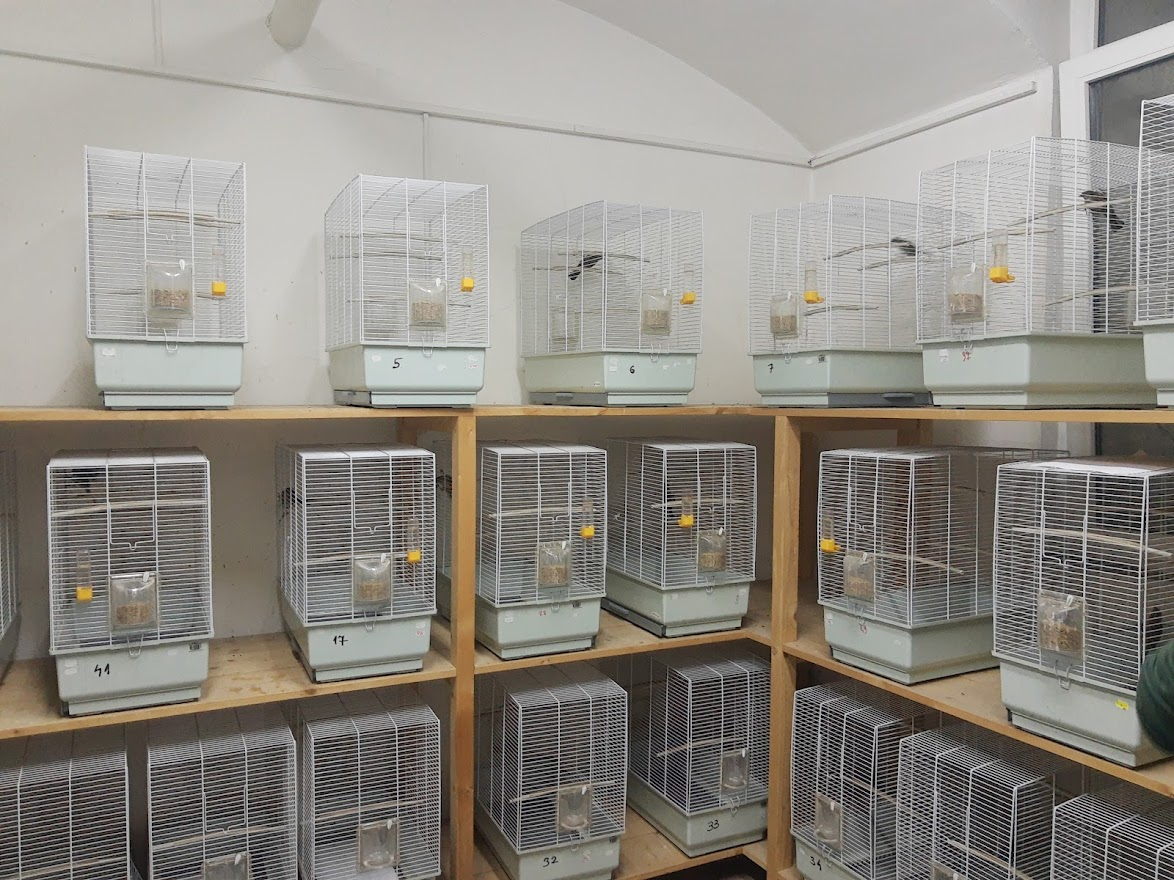
After two pilot studies and multiple failing automatic feeder designs, we managed to lauch the experiment in which we aim to test the beneficial effects of time restricted feeding on house sparrows (Passer domesticus). We housed 84 house sparrows belonging to two cohorts (i.e., adult: hatched in 2022, juvenile: hatched in 2023) in four compartments, dividing them in an identical way between compartments: 7 juvenile males, 6 juvenile females, 4 adult males and 4 adult females). The feeding trays in the first and third compartment (i.e., experimental group) were fitted with automated doors, providing access to ad libitum food only between 9:00 and 17:00 hours (i.e., creating a fasting period of 16 hr), while the birds in the second and fourth compartment (i.e., control group) have unrestricted access to ad libitum food throughout the day. While the feeding time for the experimental group is restricted to 8 hr/day, control birds will have access to food for a variable ammount of time throuhgout the year as the natural photoperiod progresses.
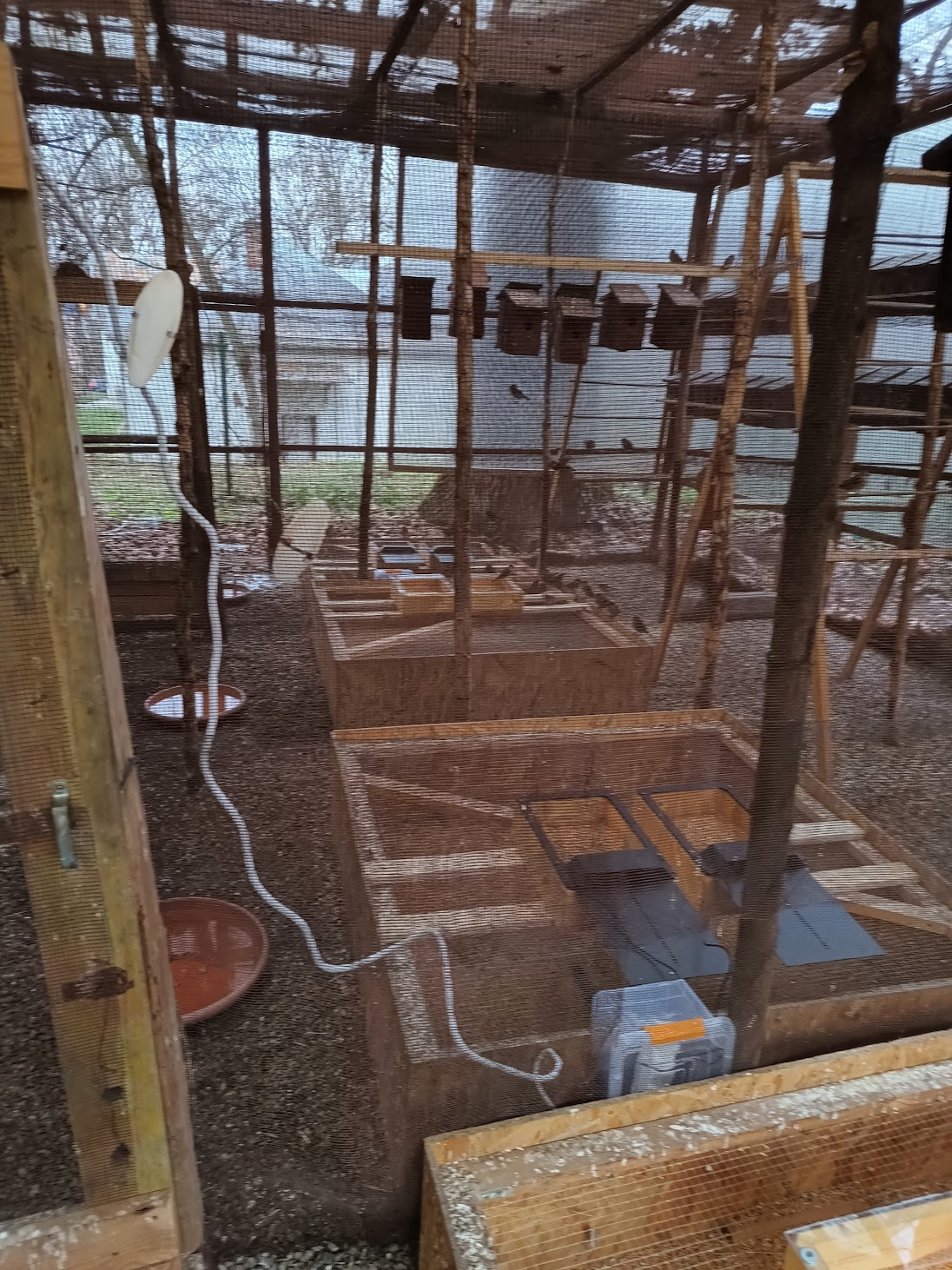
At the beginning of the experiment daylength (i.e., the feeding opportunity window for the control group) was similar to the experimental group, as the minimal daylength during the winter solstice at our study site is 8 hr and 32 min. This will increase to 15 hr and 51 min by the summer solstice: 15 hr 51 min). Therefore, by the end of the experiment, birds in the control group will gain almost twice as much time for feeding than birds in the experimental group. We collected pre-treatment samples and measurements (i.e., standard biometry, blood glucose and β-hydroxybutyrate levels, blood samples for oxidative markers and telomere length assays) before launching the experiment, and we plan to collect samples in February, April and June 2024, as the daylenght period progresses.
8th January, 2024 – Our paper highlighted in Journal of Experimental Biology
Our new paper that explores whether songbirds are able to avoid the potentially damaging physiological effects of elevated blood glucose levels has been highlighted by the Journal of Experimental Biology where the original paper was published. The ‘Inside JEB’ highlight can be accessed by clicking here.
Original paper:
Vágási CI, Vincze O, Adámková M, Kauzálová T, Lendvai ÁZ, Pătraș L, Pénzes J, Pap PL¶, Albrecht T¶ and Tomášek O¶ 2024. Songbirds avoid the oxidative stress costs of high blood glucose levels: a comparative study. Journal of Experimental Biology (in press). link ¶ Shared senior authorship
6th December, 2023 – Newly published paper in Journal of Experimental Biology
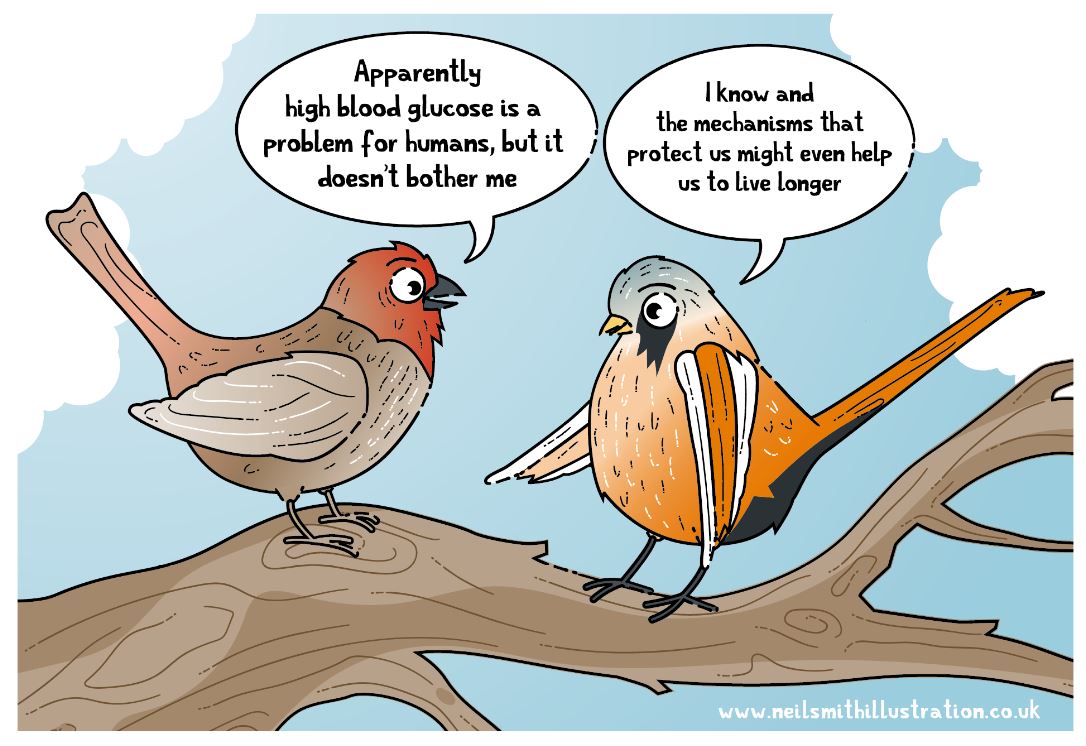
Our new paper explores whether songbirds are able to avoid the potentially damaging physiological effects of elevated blood glucose levels. This is expected because birds – despite their high blood glucose levels, which qualify as hyperglycaemia in mammals – live about two times longer than similar-sized mammals.
Vágási CI, Vincze O, Adámková M, Kauzálová T, Lendvai ÁZ, Pătraș L, Pénzes J, Pap PL¶, Albrecht T¶ and Tomášek O¶ 2024. Songbirds avoid the oxidative stress costs of high blood glucose levels: a comparative study. Journal of Experimental Biology (in press). link ¶ Shared senior authorship
Abstract
Chronically high blood glucose levels (hyperglycaemia) can compromise healthy ageing and lifespan at the individual level. Elevated oxidative stress can play a central role in hyperglycaemia-induced pathologies. Nevertheless, the lifespan of birds shows no species-level association with blood glucose. This suggests that the potential pathologies of high blood glucose levels can be avoided by adaptations in oxidative physiology at the macroevolutionary scale. However, this hypothesis remains unexplored. Here, we examined this hypothesis using comparative analyses controlled for phylogeny, allometry and fecundity based on data from 51 songbird species (681 individuals with blood glucose and 1021 individuals with oxidative state data). We measured blood glucose at baseline and after stress stimulus and computed glucose stress reactivity as the magnitude of change between the two time points. We also measured three parameters of non-enzymatic antioxidants (uric acid, total antioxidants and glutathione) and a marker of oxidative lipid damage (malondialdehyde). We found no clear evidence for blood glucose concentration being correlated with either antioxidant or lipid damage levels at the macroevolutionary scale, as opposed to the hypothesis postulating that high blood glucose levels entail oxidative costs. The only exception was the moderate evidence for species with a stronger stress-induced increase in blood glucose concentration evolving moderately lower investment into antioxidant defence (uric acid and glutathione). Neither baseline nor stress-induced glucose levels were associated with oxidative physiology. Our findings support the hypothesis that birds evolved adaptations preventing the (glyc)oxidative costs of high blood glucose observed at the within-species level. Such adaptations may explain the decoupled evolution of glycaemia and lifespan in birds and possibly the paradoxical combination of long lifespan and high blood glucose levels relative to mammals.
24th November, 2023 – Newly published paper in Journal of Animal Ecology
Our new paper explores whether the space or the energy provided by hosts determines the differences among avian host species in the abundance of their feather mites.
del Mar Labrador M, … [30 co-authors] …, Pap PL, … [9 co-authors] …, Vágási CI, Vögeli M and Jovani R 2023. Host space, not energy or symbiont size, constrains feather mite abundance across passerine bird species. Journal of Animal Ecology (in press). IF2022 = 4.80
Abstract
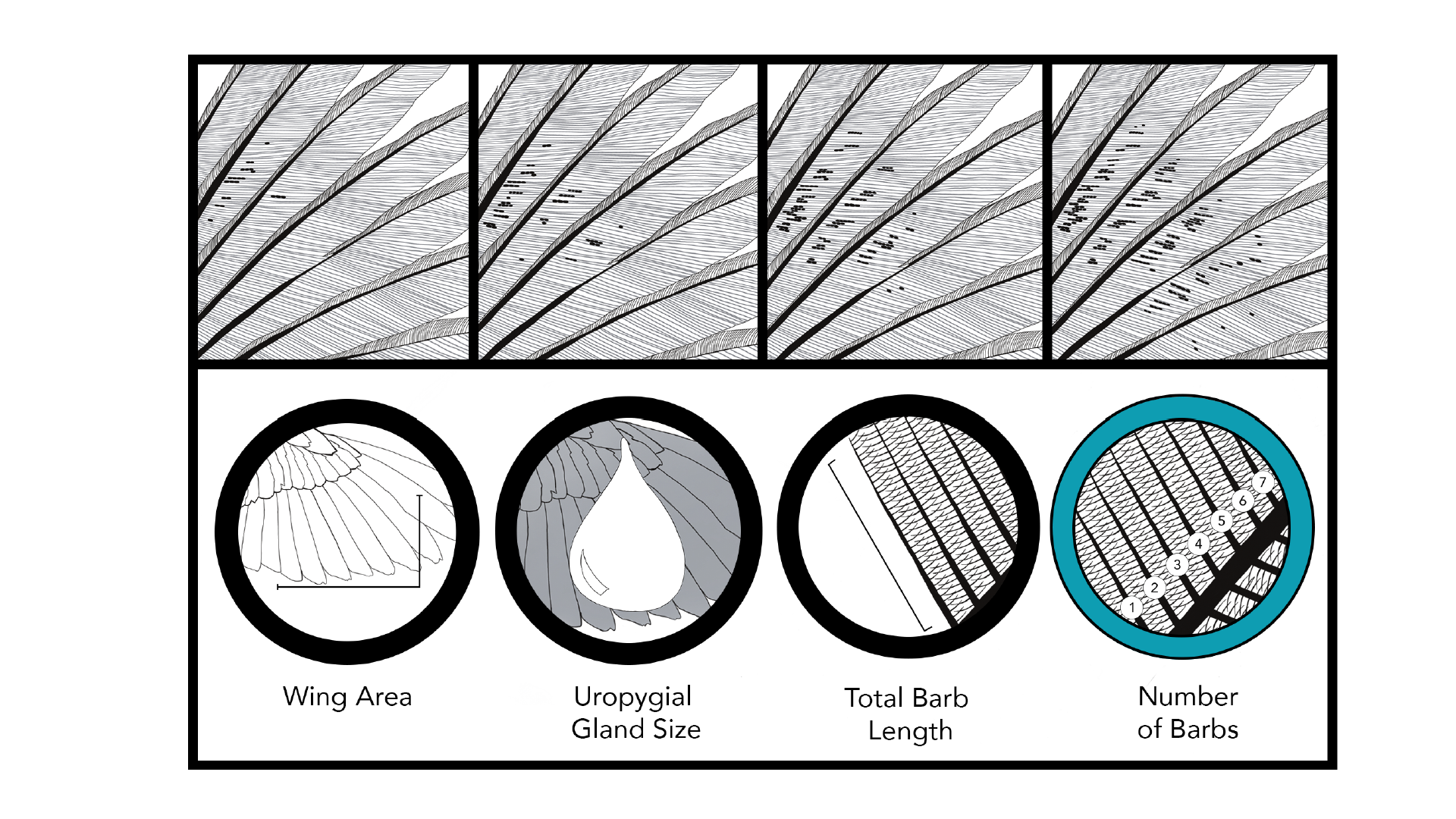
Comprehending symbiont abundance among host species is a major ecological endeavour, and the metabolic theory of ecology has been proposed to understand what constrains symbiont populations. We parameterized metabolic theory equations to investigate how bird species’ body size and the body size of their feather mites relate to mite abundance according to four potential energy (uropygial gland size) and space constraints (wing area, total length of barbs, and number of feather barbs). Predictions were compared with the empirical scaling of feather mite abundance across 106 passerine bird species (26,604 individual birds sampled), using phylogenetic modelling and quantile regression. Feather mite abundance was strongly constrained by host space (number of feather barbs) but not by energy. Moreover, feather mite species’ body size was unrelated to the body size of their host species. We discuss the implications of our results for our understanding of the bird-feather mite system and for symbiont abundance in general.

7th November, 2023 – Newly published paper in EcoHealth
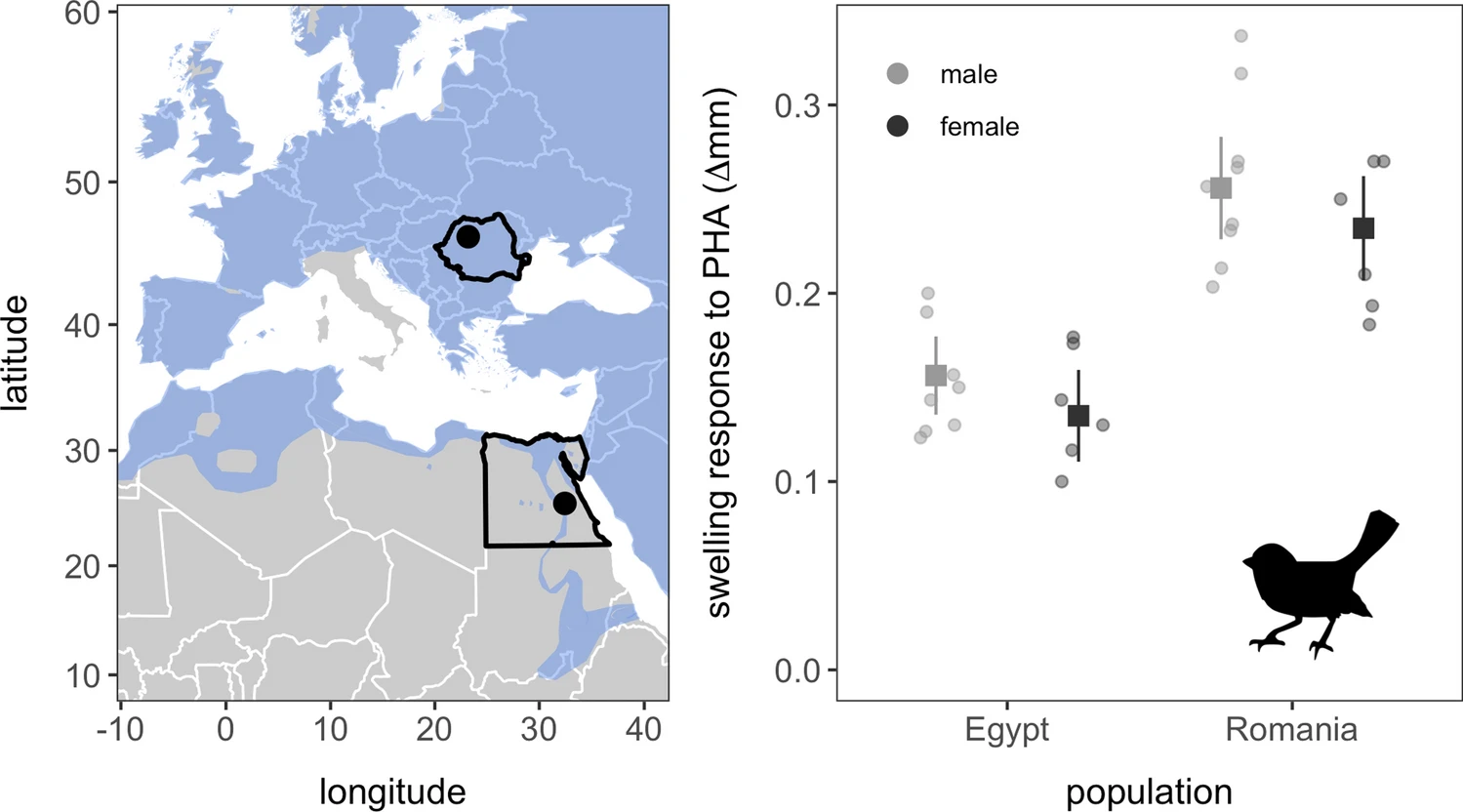
Our new paper discusses the importance of understanding spatial variations in wildlife immunity to identify environmental factors influencing host defense and disease risks. The study focuses on the house sparrow (Passer domesticus) as a model for ecoimmunology. While previous research has explored immunity differences in the invasive range of the species, this study conducts an initial test in the native range. The results indicate that house sparrows from Romania exhibit higher inflammatory responses to phytohemagglutinin compared to those from Egypt. The findings suggest the need for broader surveys across the native range to better understand and identify the underlying drivers of these immune response differences.
Becker DJ, Merrifield JM, Vágási CI, Czirják GÁ, Pap PL 2023. Spatial variation in the inflammatory response of house sparrows in their native range. EcoHealth (in press). link IF2022 = 2.50
Abstract
Characterizing spatial differences in wildlife immunity is the first step to identify environmental drivers of host defense and disease risks. The house sparrow (Passer domesticus) is a model system for ecoimmunology, but spatial differences in immunity have been largely restricted to the invasive range of this global species. We provide an initial test of spatial variation in immune response to phytohemagglutinin in the native range, finding that birds from Romania have greater inflammatory responses than birds from Egypt. Future broad surveys across the house sparrow native range could contextualize these differences and determine underlying drivers.
28th October, 2023 – We attended the 25. Congress of the Hungarian Ethological Society
We honoured our research group’s long-held tradition once again, and attend the 25. Congress of the Hungarian Ethological Society organized in Debrecen, Hungary. The conference organised by our friends and collaborators from the University of Debrecen and hosted at the headquorters of the Debrecen Regional Committee of the Hungarian Academy of Science provides a traditional platform for Hungarian ethologists and behavioural ecologists to present their findings. The principal investigator of our TE grant, Dr. Csongor I. Vágási, talked about the sex-dependent harmfull efects of the IGF-1 growth hormone on the oxidative homeostasis of bearded reedlings (Panurus biarmicus).
The event ended with the General Assembly meeting of the Hungarian Ethological Society, where we elected Dr. István Maák as the next President of the Society and as the host of the Congress to be organized in 2025.
16th October, 2023 – Physiological effects of exercise flight in homing pigeons
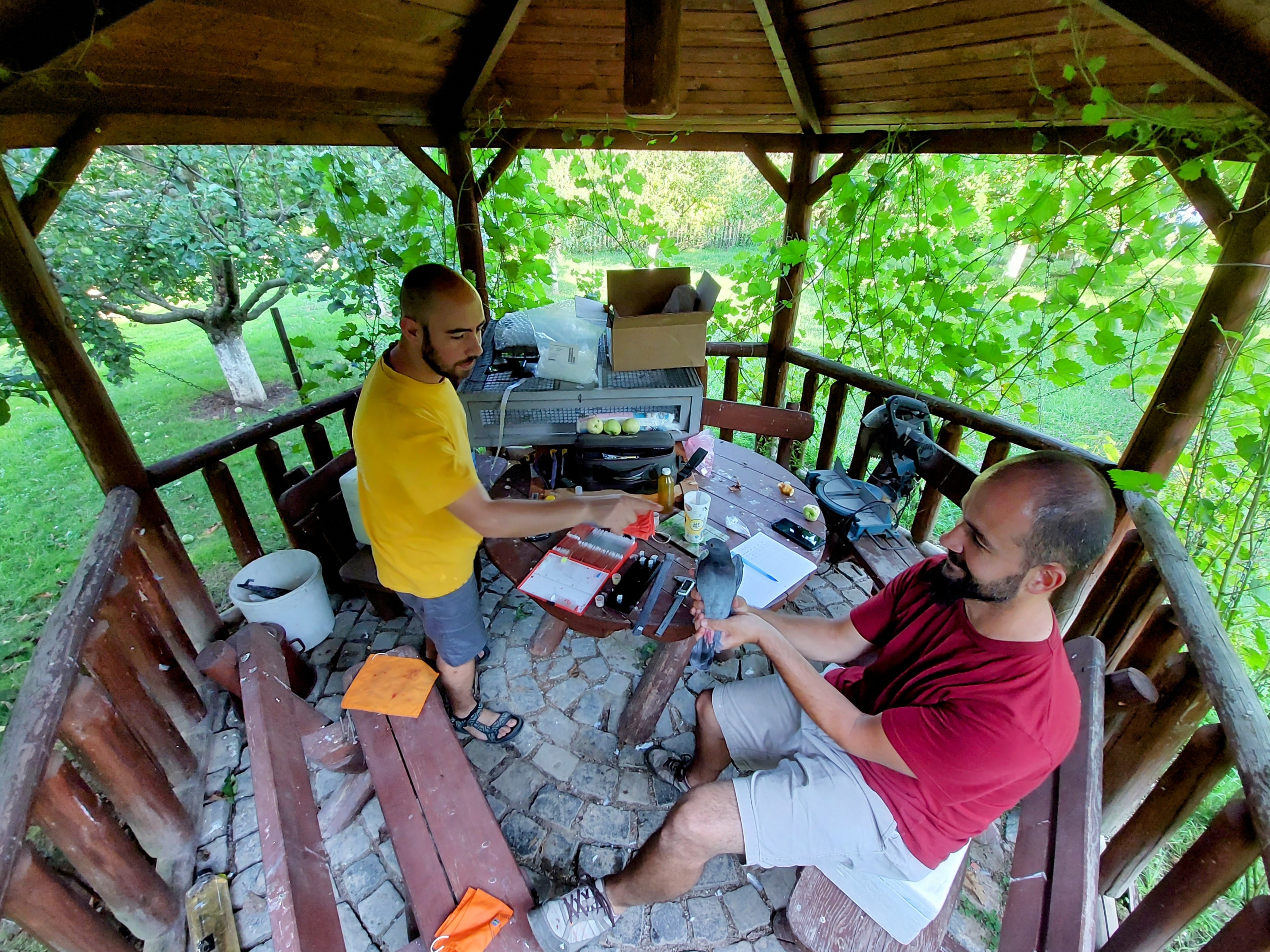
As our attempts in manipulating flight effort in house sparrows were unsuccessful, we started a collaboration with a pigeon fancyer, and carried out a study on homing pigeons (Columba livia domestica) between July and October 2023. Our aims were the same as with the house sparrows, more specifically, to test the physiological effects of exercise flight. Homing pigeons, once used to carry messages over long distances (1000 km+), are exceptional flyers, hence this species is an ideal model organism to investigate this question.
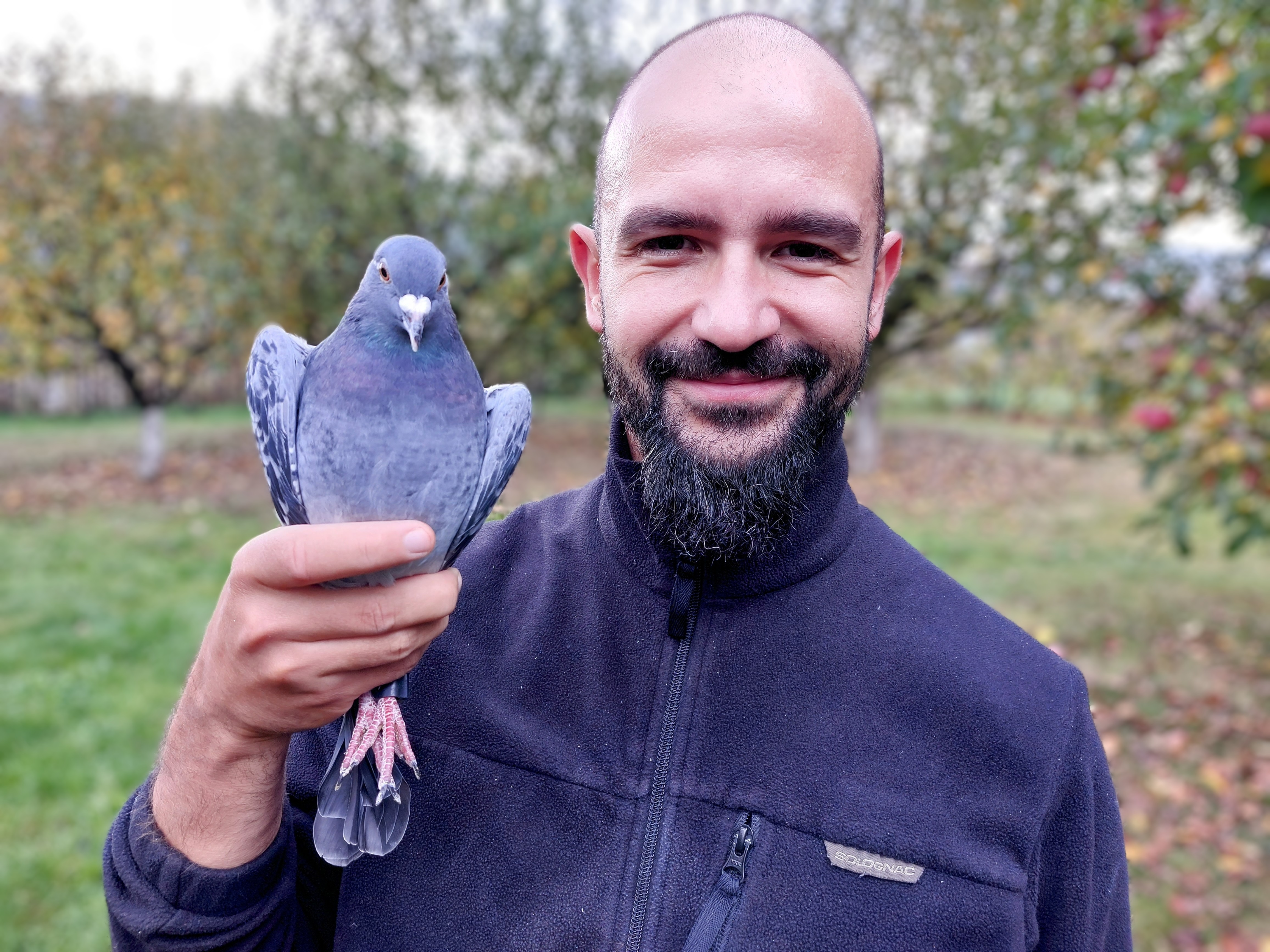
We performed our study on birds hatched in 2023. The standard practice used by pigeon keepers in case of young birds is to train them to fly home from increasing distances. At the start of the experiment we first carried out a set of baseline measurements and took a baseline blood sample from the birds, then we formed two groups: a non-flight control group and a flight group. For the birds from the control group only short flights were allowed around the house and were not trained for long-distance flights at all. In contrast, birds from the flight groups were trained for long-distance flight twice a week for a period of five weeks. Training flights were started from a distance of 30 km and reached 150 km at the end of the training period. We sampled all birds at the end of the training period, and once again after another five weeks resting period during which none of the birds (i.e., both control and flight groups) performed long-distance flights anymore, only short flights around the house. At all sampling events we measured the body mass of the birds, blood glucose and β-hydroxybutyrate concentrations, and took a blood sample to quantify oxidative homeostasis and telomere attrition rate indicating physiological ageing. We are now preparing for the lab work to analyse the blood samples, so stay tuned for some results, hopefully soon!
22nd September, 2023 – Newly published paper in Ecology and Evolution
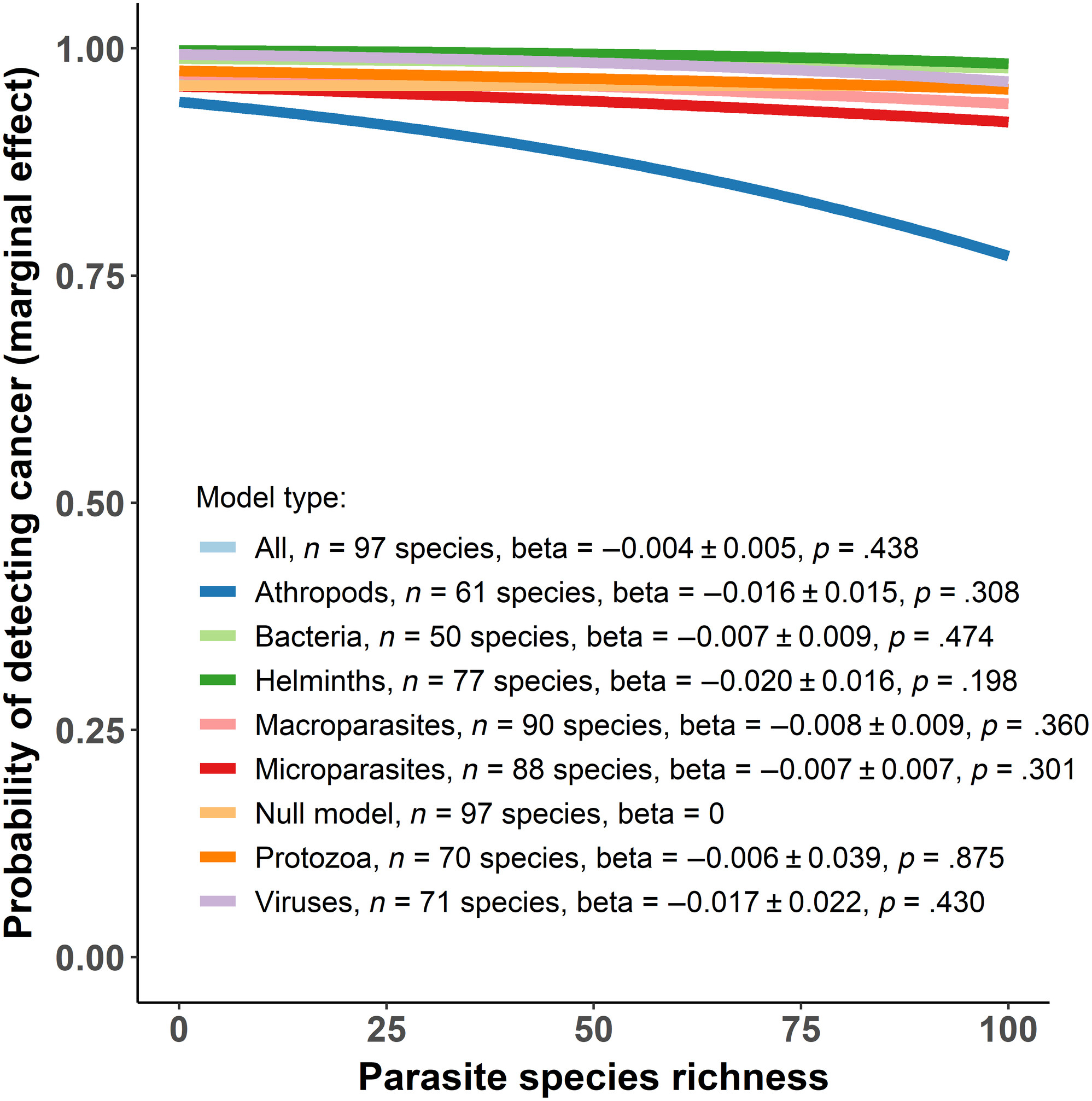
The study published in Wiley’s Ecology and Evolution (IF2022 = 2.60) examines the cancer hygiene hypothesis, a theory proposing that decreased exposure to infectious agents contributes to various diseases, including autoimmune conditions and cancer. To address this, the authors investigated the hypothesis’s applicability to cancer risk in mammals, utilizing data from zoo animals. The novelty of the approach centers on the idea that mammalian species with higher parasite diversity in their natural environments might experience evolutionary mismatch when exposed to reduced parasite loads in captivity. This potential mismatch could, theoretically, elevate the risk of developing lethal cancers. The analysis involves 112 mammalian species, and employs generalized phylogenetic least squares regressions to establish associations between parasite species diversity and cancer risk. While the findings of the study do not definitively disprove the cancer hygiene hypothesis, they do not offer strong backing for it either, at least concerning cancer risk in zoo mammals.
This study was partly supported by the TE grant.
Dujon AM, Jeanjean J, Vincze O, Giraudeau M, Lemaître J-F, Pujol P, Újvári B, Thomas F 2023. Cancer hygiene hypothesis: A test from wild captive mammals. Ecology and Evolution 13: e10547. link
Abstract
The hygiene hypothesis, according to which the recent reduction of exposure to infectious agents in the human species would be the origin of various diseases, including autoimmune diseases and cancer, has often been proposed but not properly tested on animals. Here, we evaluated the relevance of this hypothesis to cancer risk in mammals in an original way, namely by using information on zoo mammals. We predicted that a higher richness of parasitic cohorts in the species’ natural habitat would result in a greater occurrence of evolutionary mismatch due to the reduction of parasites in captive conditions. This, in turn, could contribute to an increased risk of developing lethal cancers. Using a comparative analysis of 112 mammalian species, we explored the potential relationship between cancer risk and parasite species richness using generalized phylogenetic least squares regressions to relate parasite species richness to cancer risk data. We found no strong evidence that parasite species richness increased cancer risk in zoo mammals for any of the parasite groups we tested. Without constituting definitive proof of the irrelevance of the hygienic hypothesis, our comparative study using zoo mammals does not support it, at least with respect to cancer risks.
5th September, 2023 – Newly published paper in Nature Communications
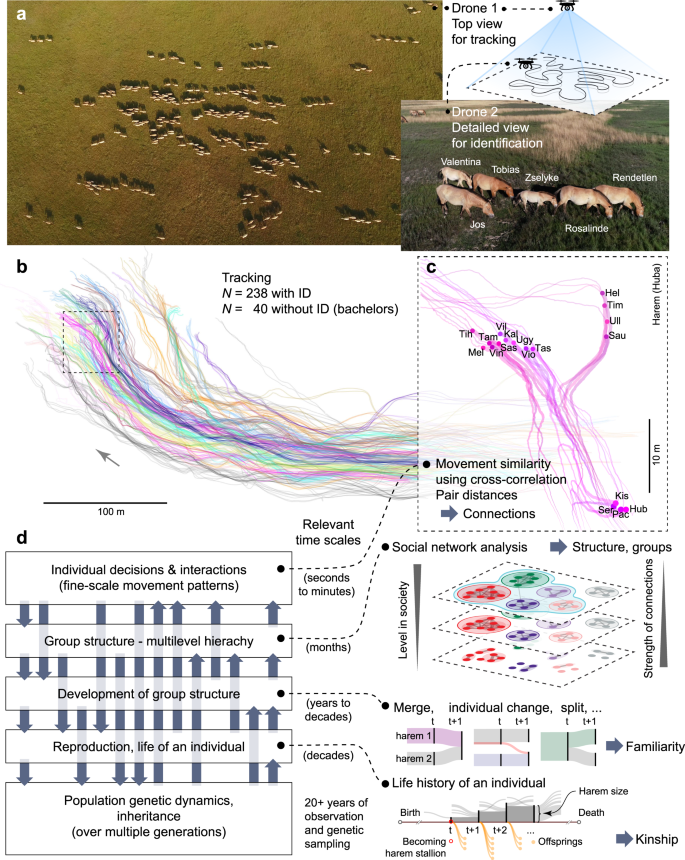
In the realm of animal behavior research, technological advancements have opened new avenues for the study of animal societies. The study published in Nature Communications (IF2022 = 16.60) showcases cutting-edge drone-based observations of a multilevel herd of Przewalski’s horses, consisting of harems (groups with one male and multiple females). By meticulously tracking the movements of 238 individually identified horses in high spatio-temporal detail through drone videos, and combining this movement analysis with two decades of demographic data from population monitoring, the study presents an analysis of the herd’s social network structure, kinship, and individual familiarity. The centrality of harems in this network is linked to the age of the harems and the duration their stallions have maintained these groups. Harems led by genetically related stallions tend to cluster closer to each other within the network, and the exchange of females is more frequent among closely situated harems. Moreover, a high degree of movement similarity among females from different harems can predict their future bonding as harem mates. The study demonstrates that even a brief period of movement tracking can provide comprehensive insights into the structure of an animal society, allowing the reconstruction of past group dynamics and the prediction of future social interactions.
This study was partly supported by the TE grant.
Ozogány K, Kerekes V, Fülöp A, Barta Z, Nagy M 2023. Fine-scale collective movements reveal present, past and future dynamics of a multilevel society in Przewalski’s horses. Nature Communications 14: 5096. link
Abstract
Studying animal societies needs detailed observation of many individuals, but technological advances offer new opportunities in this field. Here, we present a state-of-the-art drone observation of a multilevel herd of Przewalski’s horses, consisting of harems (one-male, multifemale groups). We track, in high spatio-temporal resolution, the movements of 238 individually identified horses on drone videos, and combine movement analyses with demographic data from two decades of population monitoring. Analysis of collective movements reveals how the structure of the herd’s social network is related to kinship and familiarity of individuals. The network centrality of harems is related to their age and how long the harem stallions have kept harems previously. Harems of genetically related stallions are closer to each other in the network, and female exchange is more frequent between closer harems. High movement similarity of females from different harems predicts becoming harem mates in the future. Our results show that only a few minutes of fine-scale movement tracking combined with high throughput data driven analysis can reveal the structure of a society, reconstruct past group dynamics and predict future ones.
29th August, 2023 – The 14th Congress of the European Ornithological Union was a blast!
Lund has become European epicenter of ornithology for a week this Summer, hosting the 14th Congress of the European Ornithological Union. As mentioned earlier this year, the Scientific Programme Commitee of the EOU accepted all four of our submissions as oral presentations (titles listed bellow). The Congress’ colorful scintific program and social events provided uncounted opportunities for networking, to greet our previous collaborators and to approach new potential collaborators too. The Congress concluded with the meeting of the EOU’s General Assembly, during which Dr. Attila Fülöp was elected as a member of the EOU Council.
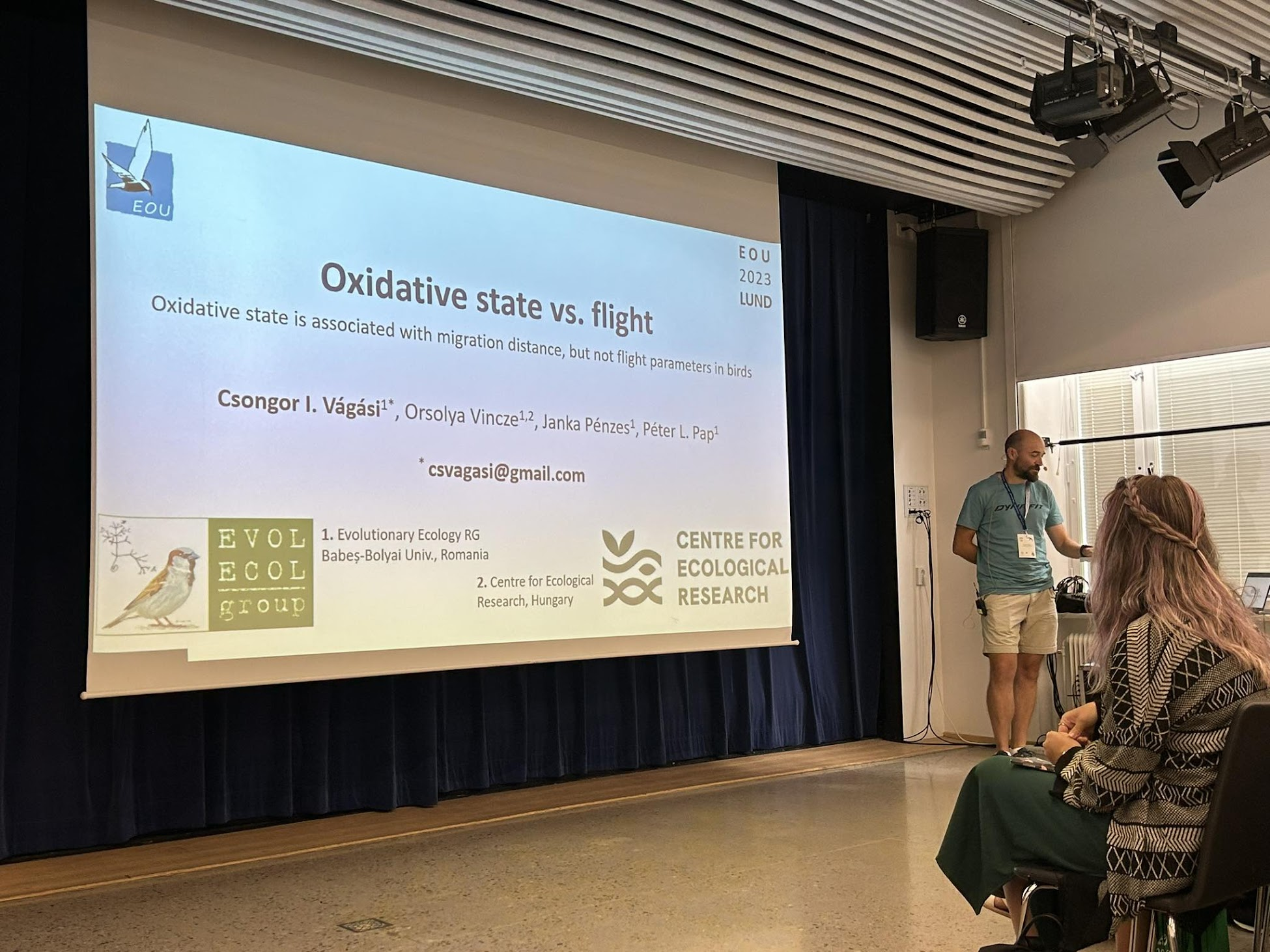
Vágási CI, Vincze O, Pénzes J, Pap PL: Oxidative state is associated with migration distance, but not flight parameters in birds.
Pap PL, Vágási CI, Bókony V, Pénzes J, Szabó K, Magonyi N, Czirják G, Vincze O: Phylogenetic relationships of immune function and oxidative physiology with sexual selection and parental effort are sex-specific in birds.
Fülöp A, Vágási CI, Pap PL, Osváth G, Benkő Z, Borbély M, Hajdó B, Kocsis B, Barta Z: Groups with a more diverse personality composition have a more egalitarian social structure.
Marton A, Fülöp A, Osváth G, Pătraș L, Pap PL, Vágási CI: The physiology of moult: three experiments on house sparrows.
29th June, 2023 – Results from two pilot studies on the physiological effects of physical exercise
After the house sparrows have successfully habituated to the suspended feeders, between March and June 2023, we performed two pilot studies in which we tested the effect of physical exercise on the birds. By manipulating the length of the perches on the suspended feeders, we aimed to test the physiological consequences of the amount of exercise the birds perform.
In the first pilot study we used three groups: (1) no flight group, where birds were fed from feeders located on the ground, (2) control flight group, where birds were fed from the suspended feeders but could use 3 cm long perches, and (3) experimental flight group, where birds had perches of 1 cm length, therefore, they had to perform stationary flight to feed. This first pilot study lasted 28 days: we measured the body mass, body temperature, blood glucose and β-hydroxybutyrate (i.e., ketone body) concentrations, and haematocrit levels during four sampling events. Overall, the treatment applied in this first pilot study had only a mild effect on the birds, as we found no marked differences between the three groups in the physiological parameters measured.
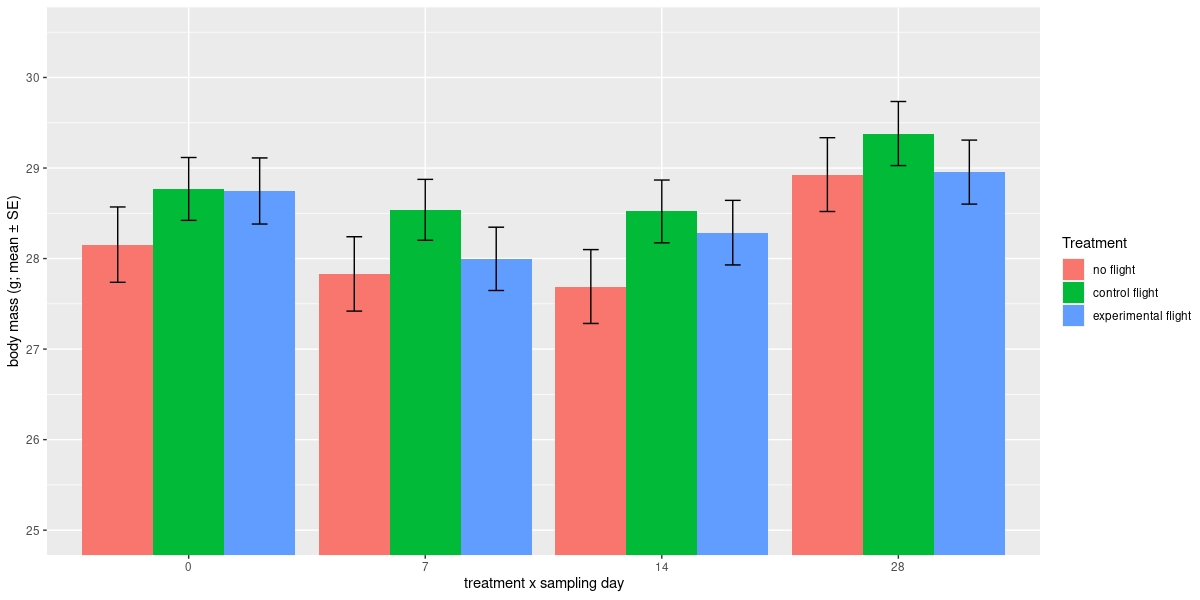
In the second pilot study we increased the intensity of the physical exercise in the experimental groups, and set up the following three groups: (1) no flight group, (2) moderate effort experimental flight group, where birds were fed from the suspended feeders but used 1 cm perches, and (3) high effort experimental flight group, where birds had no perches at all. This second pilot study lasted 40 days, during which we had four sampling events when we measured the same physiological parameters used in the first pilot study. Similarly to the first pilot study, in this second pilot study as well, the experimental treatments influenced only weakly or at all the measured physiological variables. Since we found no clear patterns which would indicate that any of the experimental treatments were successful, considering both pilot studies carried out, we conclude that in house sparrows manipulating foraging effort using suspended feeders is not increasing flight effort considerably, at least on a short term.
2nd June, 2023 – Talk about the importance of studying telomeres in ecology and evolution
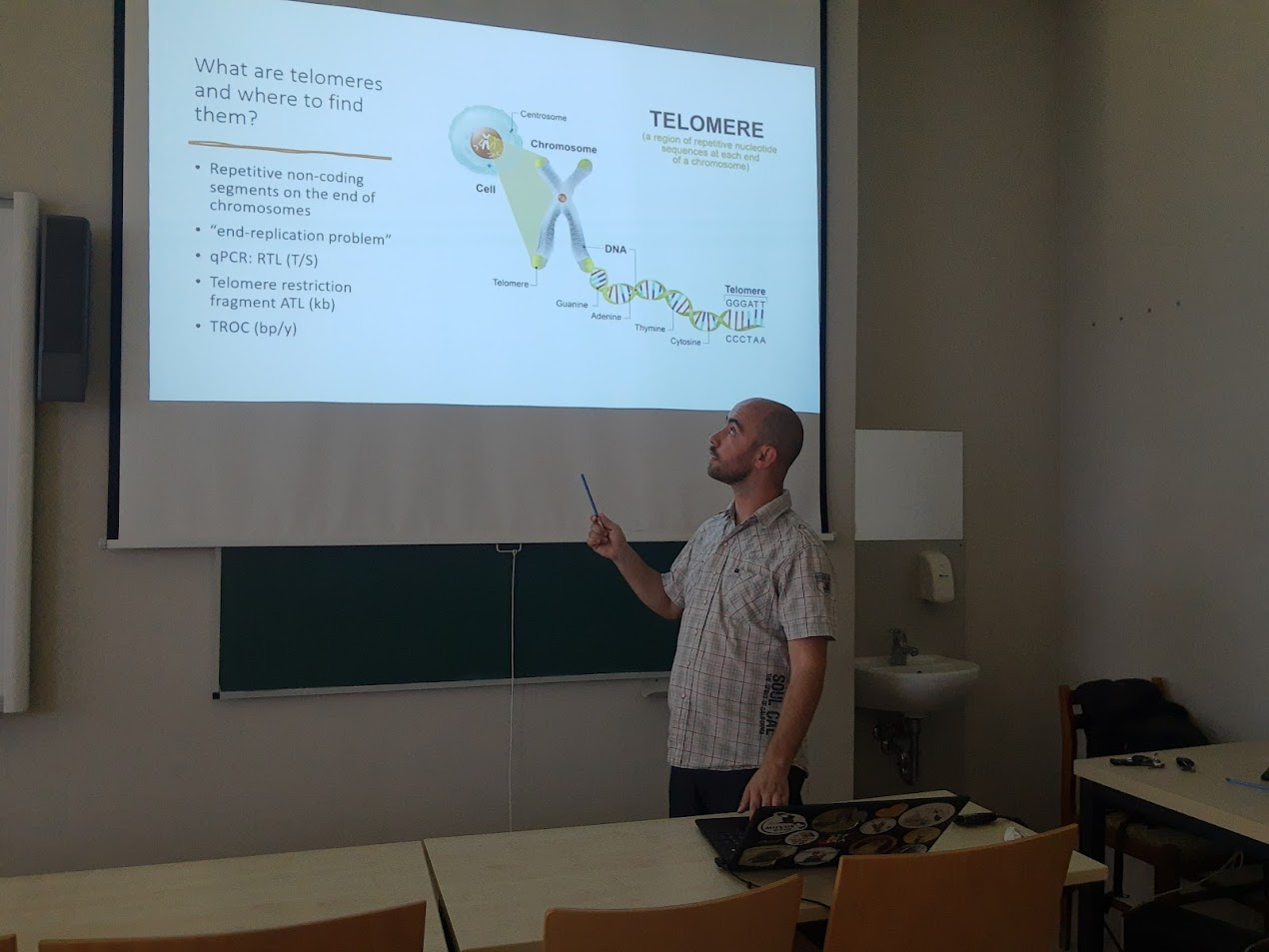
One of the main cellular ageing markers, telomeres, are as the aglets on your shoe laces: lose them, and you might lose the integrity of your laces. On a proximal level, telomeres protect the end of DNA strands during replication, but their dynamics (both loss and lengthening) has an imense impact on the lifespan and reproduction of all species. As such, the life-history altering consequences of telomeric dynamics are of importance for our TE grant too. Our colleague, Dr. Attila Marton, talked at the scientific seminars of the Department of Evolutionary Zoology and Human Biology of the University of Debrecen about the relationship between telomere length or telomere loss and reproduction or survival. Although it is still not clear if telomere attrition is the cause or consequence of ageing, nor how oxidative stress impacts telomere dynamics, case studies and several new meta-analyses show that the link between these systems exists at least in vertebrate species.
3rd May, 2023 – Attila Marton defended his PhD dissertation at the University of Debrecen

We congratulate our TE team member, Attila Marton, for defending his PhD dissertation entitled “Inter- and intraspecific acoustic adaptations in an avian brood parasite–host coevolutionary system” with summa cum laude at the University of Debrecen. Before the joining our TE grant, Attila studied the acoustic components of the coevolutionary relationship between the common cuckoo Cuculus canorus and the great reed warbler Acrocephalus arundinaceus, and the inter- and intrasexual acoustic communication of cuckoos. Among the results presented in his PhD dissertation, he shows that cuckoos eavesdrop on their hosts alarm calls when searching for nests, but also manipulate host aggression levels by producing a predator-like bubbling call during parasite-host encounters. His PhD dissertation is accessible at this link.
1st April, 2023 – We presented our results at the 23rd Biology Days at Babeș-Bolyai University, Cluj-Napoca
The Biology Days conference is a longstanding tradition of the Hungarian Department of Biology and Ecology at Babeș-Bolyai University, providing a platform for Hungarian-speaking students and researchers to present their newest results. Our TE grant team member, Attila Marton, presented the results of experiments performed on house sparrows Passer domesticus. In these mirror-experiments (1) we manipulated moult speed to test its effects on oxidative physiology and telomere attrition, (2) subjected sparrows to a very mild oxidative stress to assess its effects on moult speed, feather quality and telomere attrition, and (3) we tested if the moult-related physiological costs are due to the growth of feathers or the aerodynamical impairment produced by the lack of feathers.
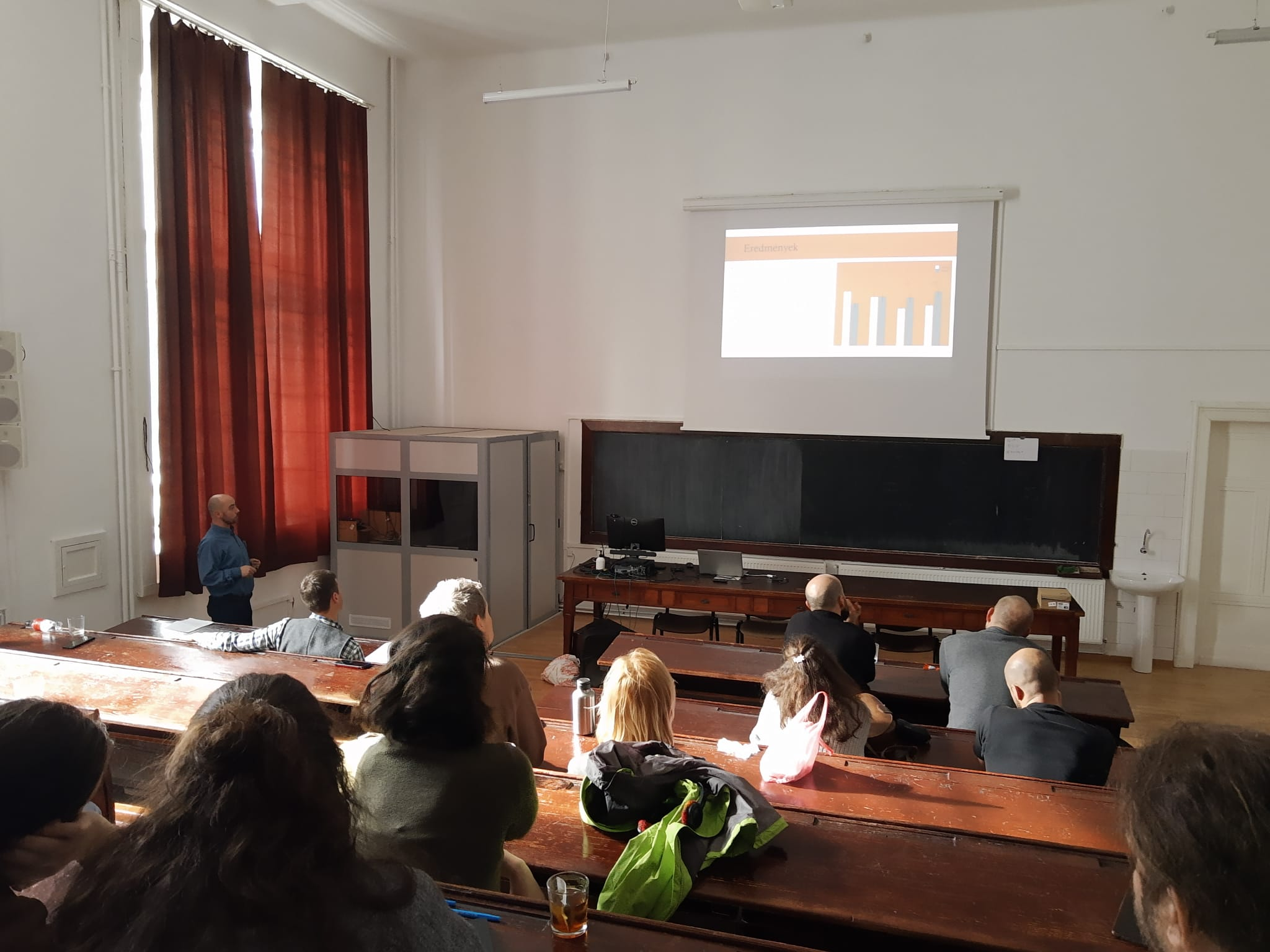
A fun fact of this event is that our colleague gave its first presentation at a Biology Days conference on the 1st of April 2013, exactly 10 years ago. It is reassuring that the students who started working with us on house sparrow experiments back then are still around, albeit now they work with us as early career researchers.
28th February, 2023 – All four submissions were accepted as oral presentations at the European Ornithological Union’s Congress
This year’s most important scientific event, the 14th European Ornithological Union Congress will be hosted by the Department of Biology at Lund University, Sweden. We submitted four abstracts for the conference, and to our surprise, the Scientific Programme Commitee accepted all four submissions as oral talks at this prestigious event. We will present our work listed below, once we secure the funding participate at the conference (current TE grant members are typesetted with boldface):
Vágási CI, Vincze O, Pénzes J, Pap PL: Oxidative state is associated with migration distance, but not flight parameters in birds.
Pap PL, Vágási CI, Bókony V, Pénzes J, Szabó K, Magonyi N, Czirják G, Vincze O: Phylogenetic relationships of immune function and oxidative physiology with sexual selection and parental effort are sex-specific in birds.
Fülöp A, Vágási CI, Pap PL, Osváth G, Benkő Z, Borbély M, Hajdó B, Kocsis B, Barta Z: Groups with a more diverse personality composition have a more egalitarian social structure.
Marton A, Fülöp A, Osváth G, Pătraș L, Pap PL, Vágási CI: The physiology of moult: three experiments on house sparrows.

Photo: The AF-borgen building at Lund University, academic fort and the venue of the conference.
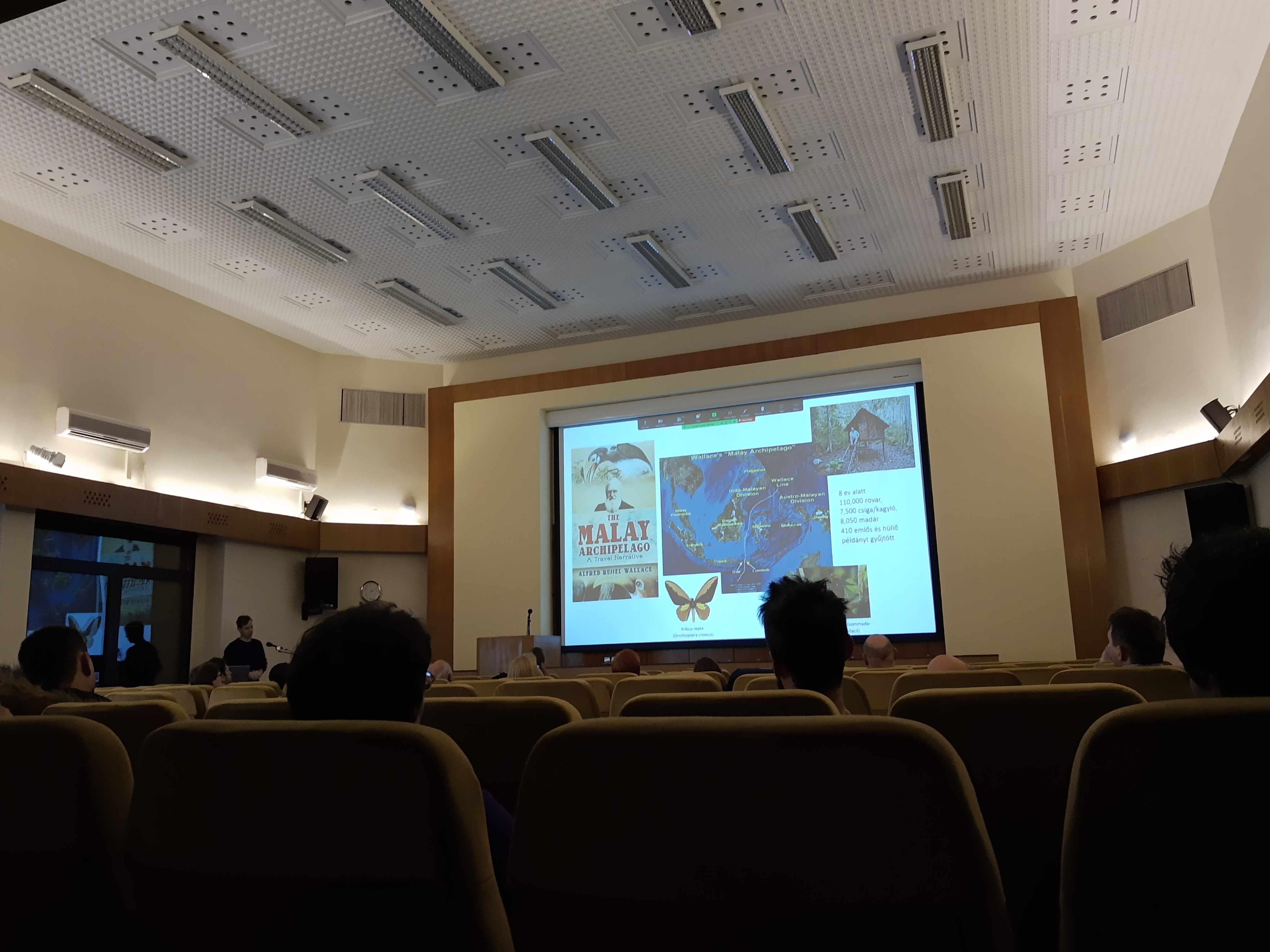
23th February, 2023 – Celebrating Alfred Russell Wallace
Alfred Russel Wallace (1823-1913) was one of the most important naturalists and explorers of the 19th century. Besides his significant contributions to the fields of taxonomy and biogeography, he is best known for devising the theory of evolution through natural selection, alongside Charles Darwin.
As we mark the 200th anniversary of Alfred Russel Wallace’s birth, the Institute of Biology and Ecology of the University of Debrecen, Hungary, organized a talk session on the 23th of February to celebrate and commemorate his work. Our colleague, Dr. Attila Fülöp, participated in the event, and gave a talk about sexual dimorphism and colouration, one of the topics which fascinated Wallace the most, and which was one the most disputed ones between Wallace and Darwin.
22nd February, 2023 – Team member distinguished with Youth Award of the Hungarian Academy of Sciences
The Hungarian Academy of Sciences awarded its Youth Award to Dr. Orsolya Vincze for her study published in Nature regarding the risk of developing cancer across mammals. Dr. Vincze’s award is well-deserved, as her study provides crucial insights into the underlying factors that contribute to cancer development in mammals. The findings could potentially inform the development of new cancer prevention and treatment strategies in humans and other animals.
Dr. Vincze is a postdoctoral researcher at the Institute of Aquatic Ecology, Centre for Ecological Research in Hungary and a founding member of the Evolutionary Ecology Group of Babeş-Bolyai University. Her research focuses on the evolution of life history traits, such as lifespan, reproductive strategies, and cancer risk, across different animal species.
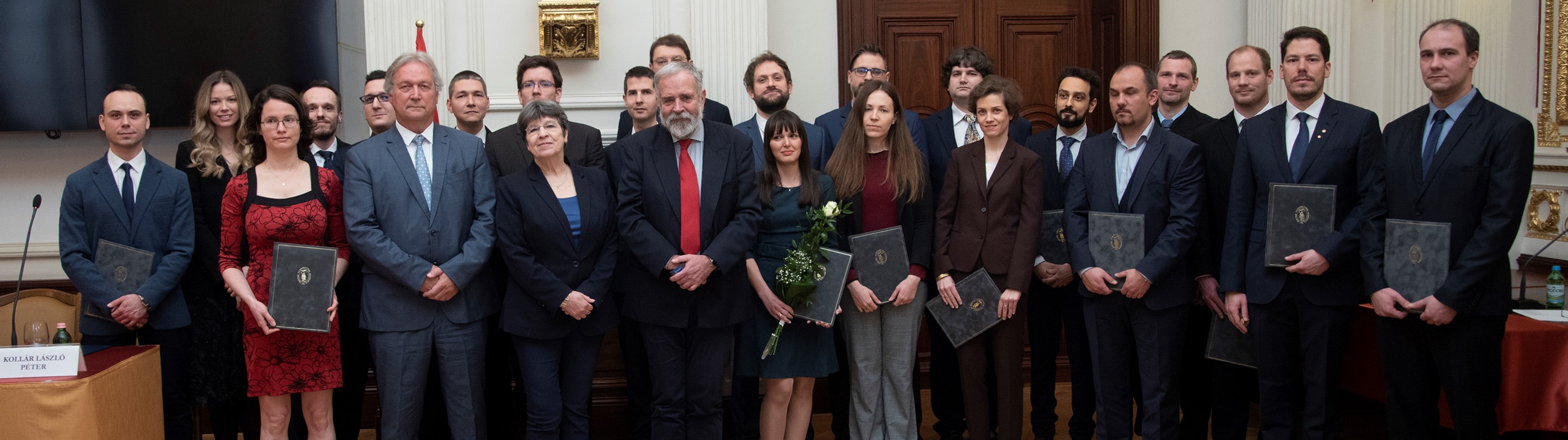
Photo: mta.hu / Szigeti Tamás
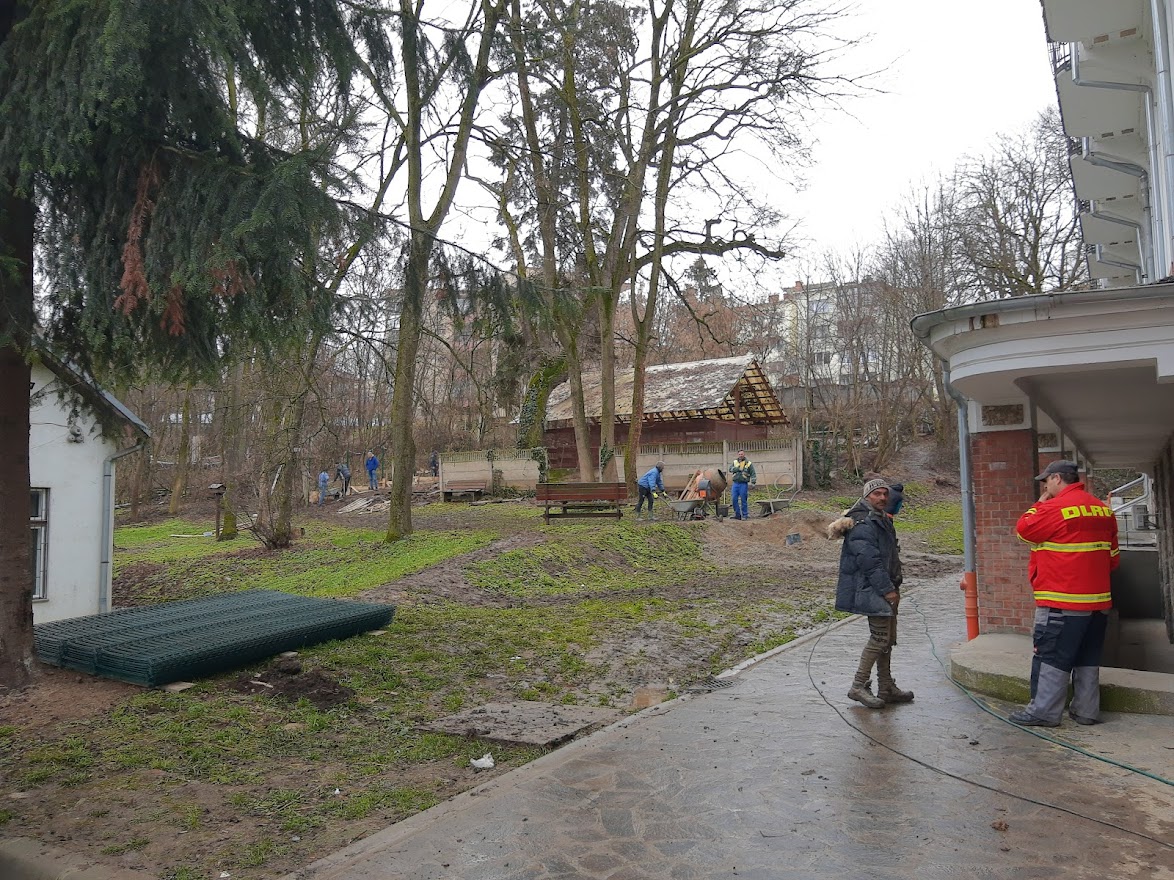
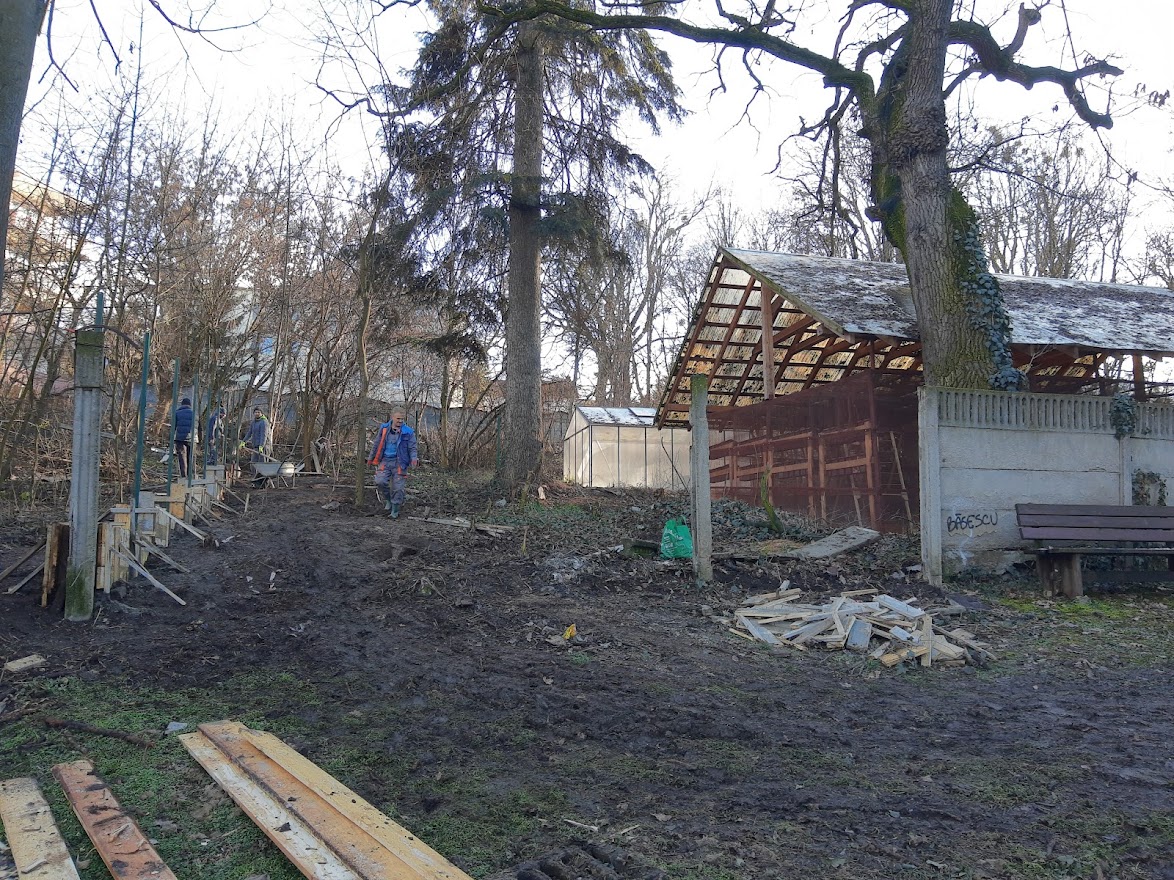
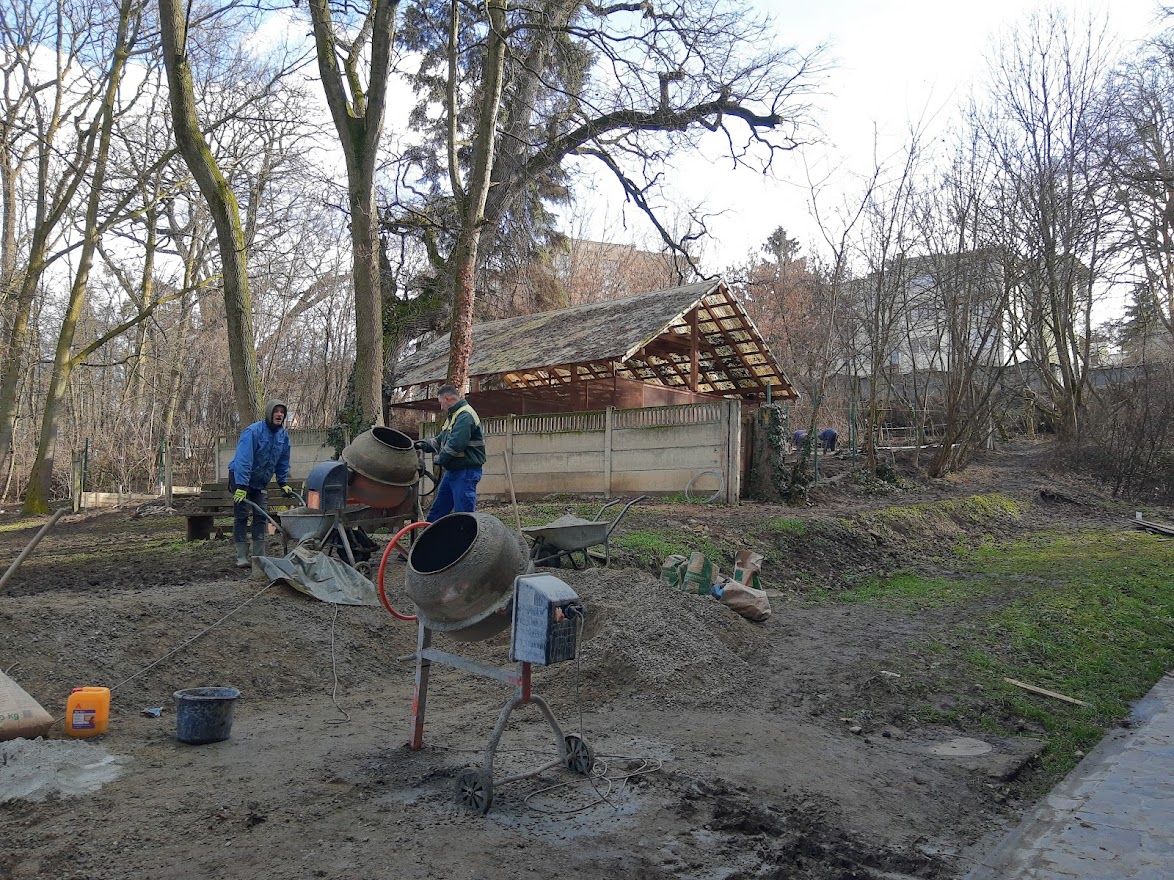
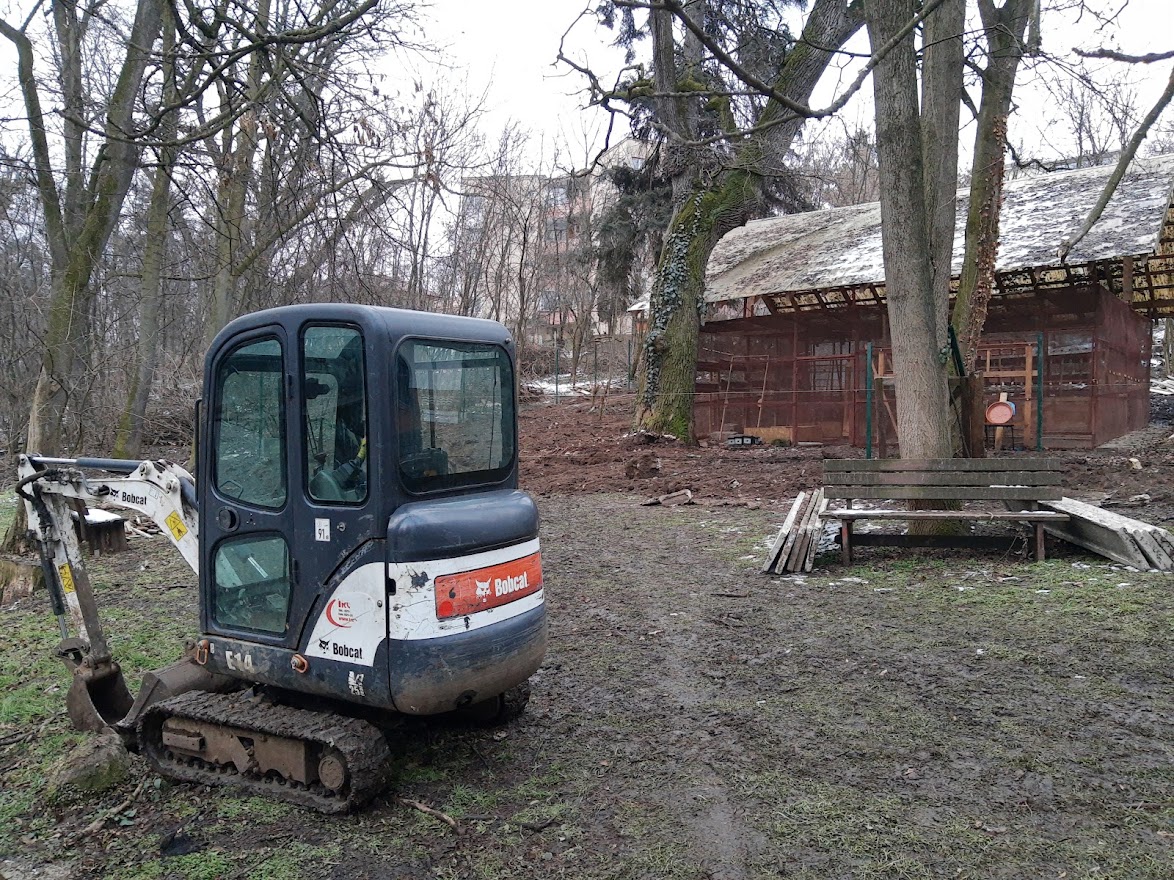
2nd February, 2023 – Start of experiments delayed by garden-works
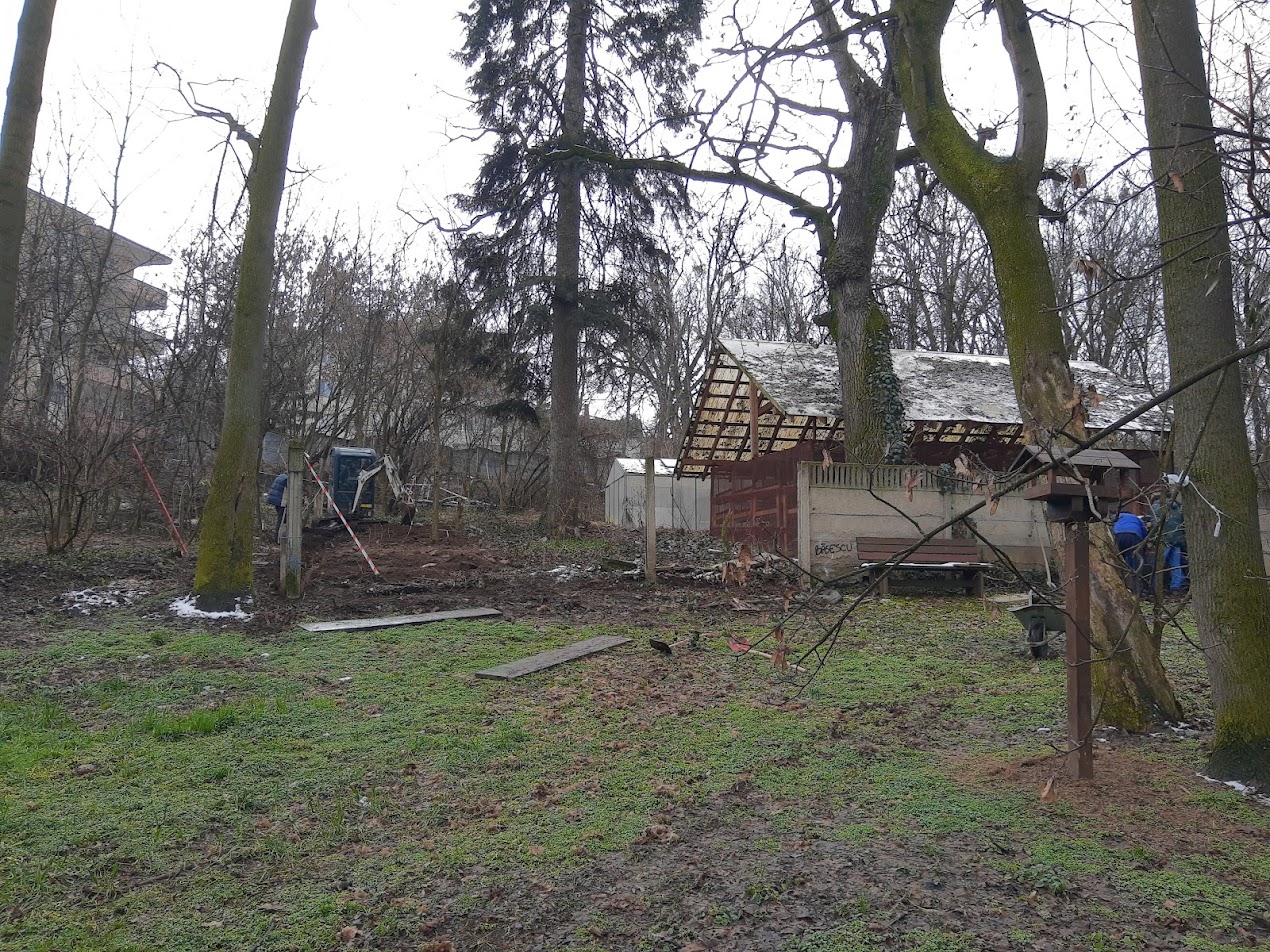
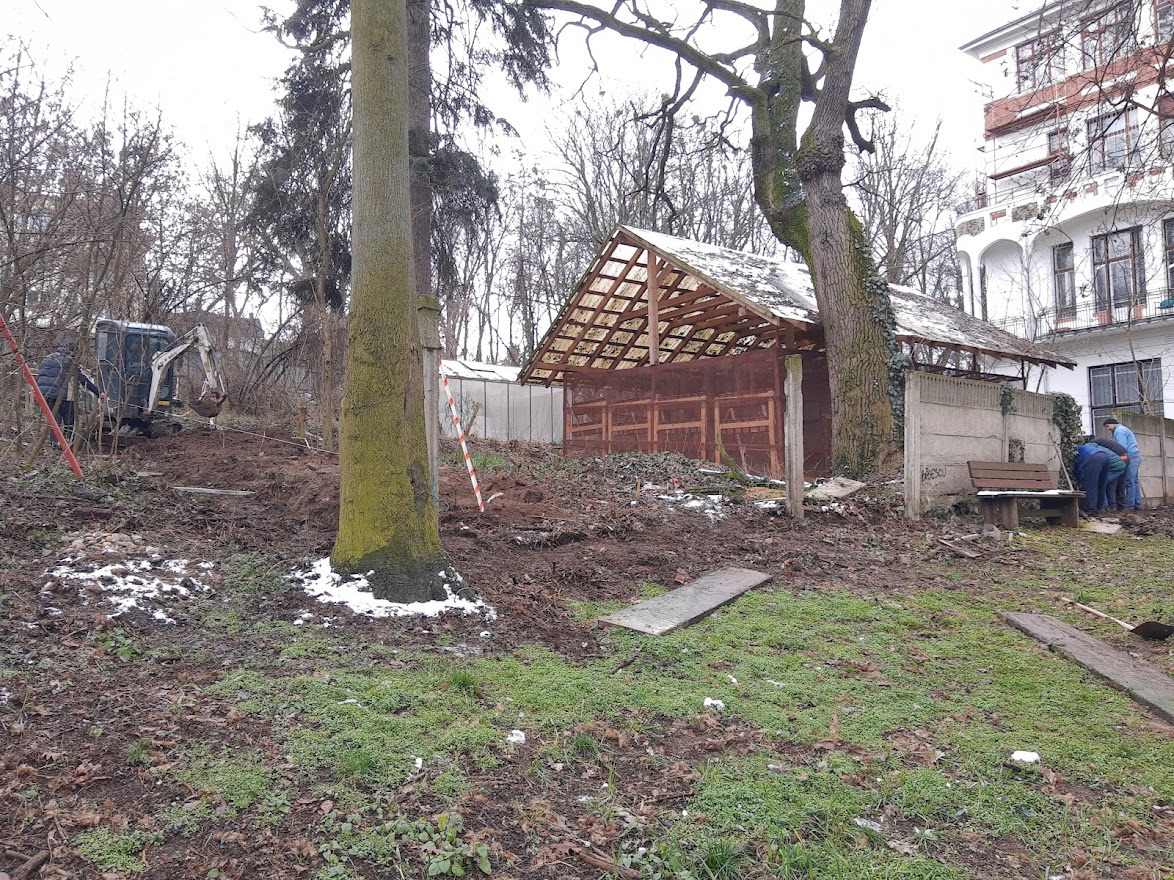
The Faculty of Biology and Geology resides in the Mikó Garden, the oldest botanical garden of Cluj-Napoca and home to a large breeding colony of rooks Corvus frugilegus. It is also the site where our outdoor aviaries are and the house sparrows caught for our TE grant experiments are housed.
The Faculty of Biology and Geology designed a nature thematic trail through the Mikó Garden and started to implement this plan early this year. The path of the trail runs close to our aviaries. Besides the fact that the start of our experiments has to be delayed due to the work done near the aviaries, we will have to wait for the long-term effects of the environmental stress to wear out after the work will be completed and for the birds to return to their natural physiological parameters.
16th January 2023, – Dr. Attila Fülöp becomes research fellow the Institute of Advanced Studies in Science and Technology STAR-UBB
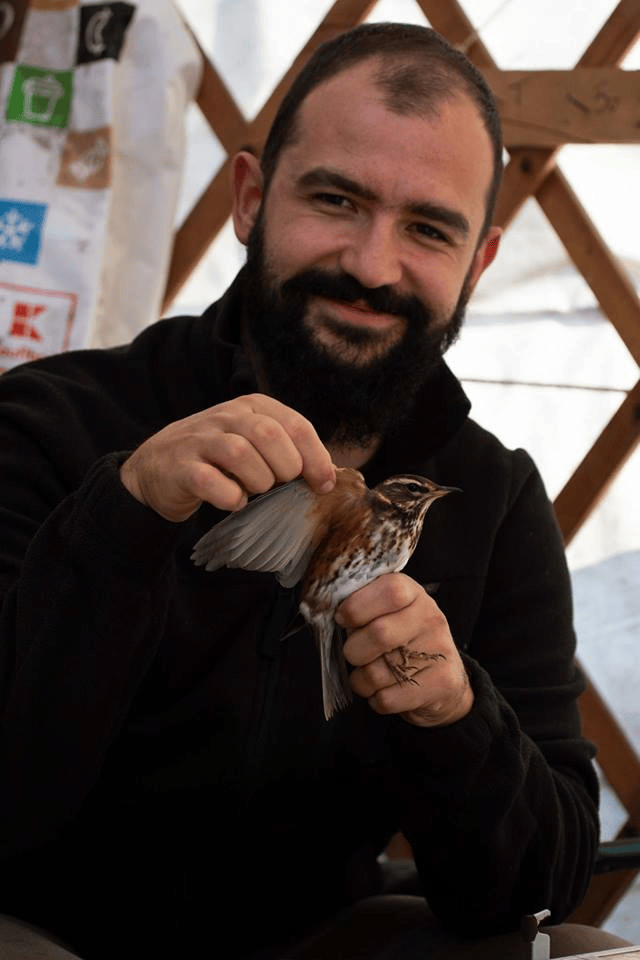
Our colleague, dr. Attila Fülöp, half-time employed researcher in our TE grant, has landed a half-time employed associate researcher position at Babeș-Bolyai Universities Institute of Advanced Studies in Science and Technology STAR-UBB.
The STAR-UBB Institute was founded in order to raise the visibility and impact of UBB at international level, and to support and promote international experiences for the academic community.
29th November, 2022 – We participated at the 24th Conference of the Hungarian Ethological Society
We presented our research at the 24th Conference of the Hungarian Ethological Society (https://univet.hu/en/met2022/), held between 25-27 November at the University of Veterinary Medicine, in Budapest, Hungary. The conference is organized annually and it is a forum for students, early-career and experienced researchers working in the field of behavioural ecology, to share their results and to participate in exchanging ideas.
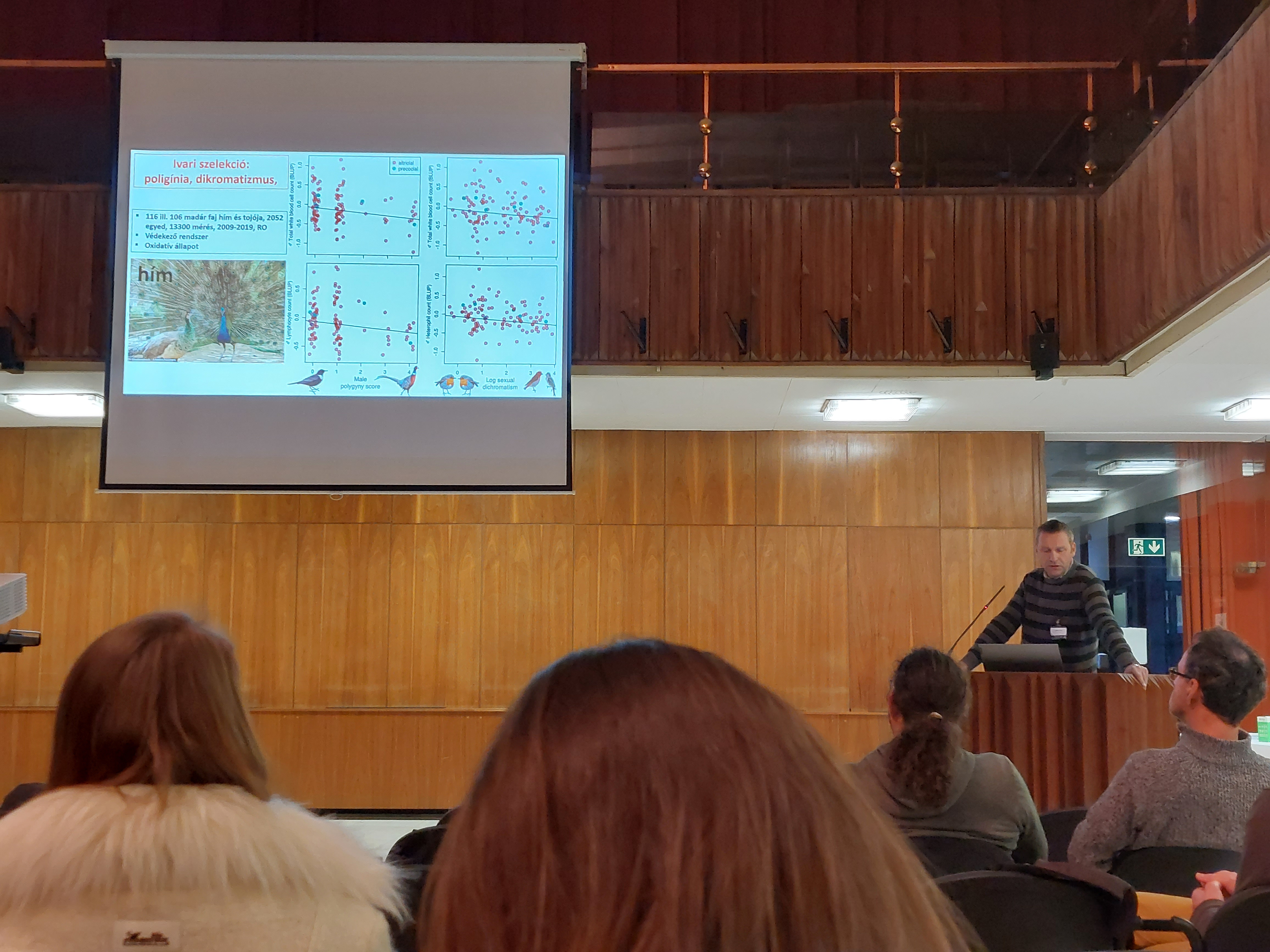
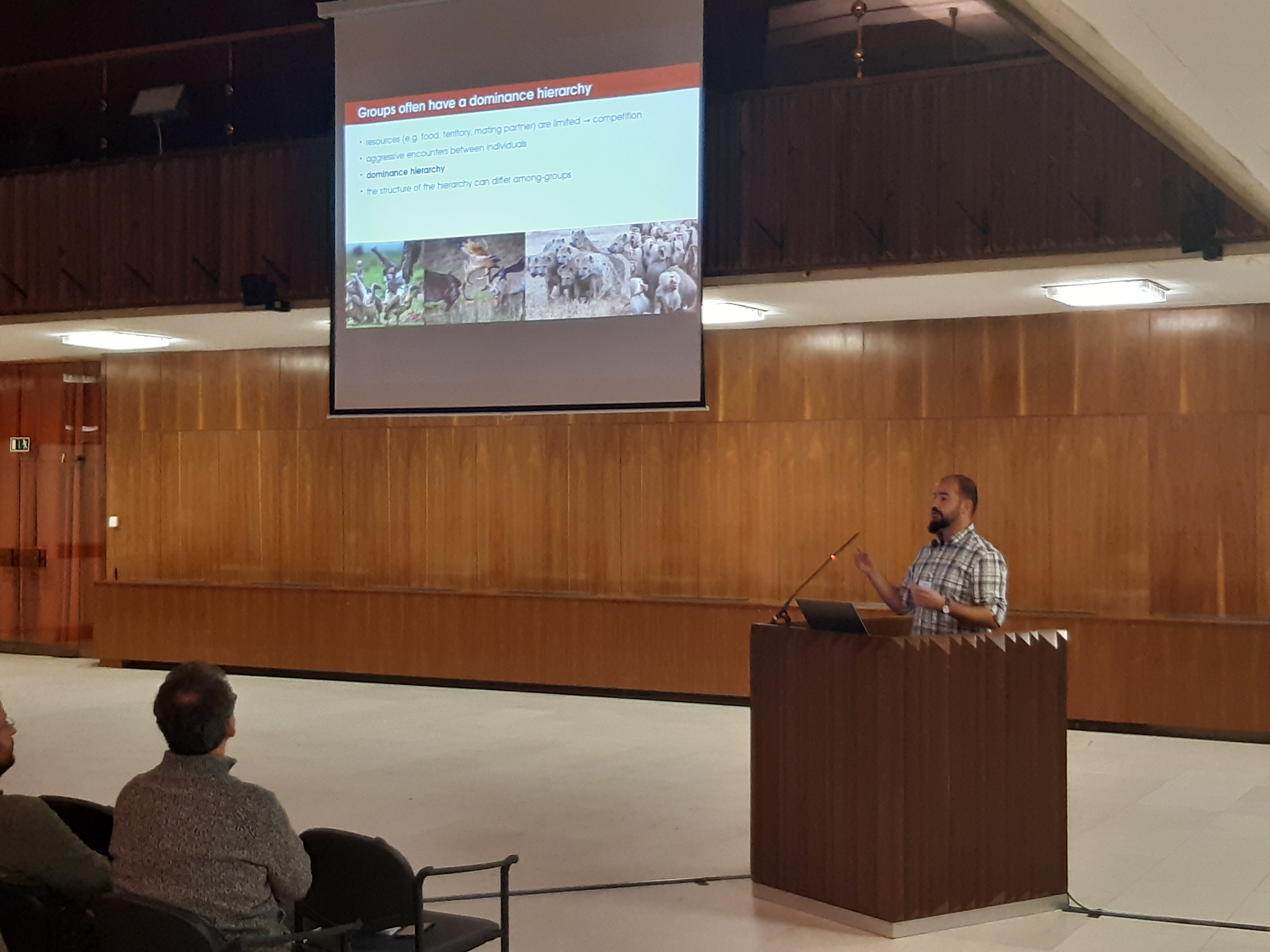
The conference has a multidisciplinary profile and attracts a significant number of international participants. Our research group participated with two oral presentations. In the first one, dr. Attila Fülöp talked about the effect of group composition on the dominance structure of house sparrow groups, while in the second presentation prof. Péter László Pap presented our group’s results regarding sexual differences in life history traits such as longevity and ageing rates in the animal kingdom.
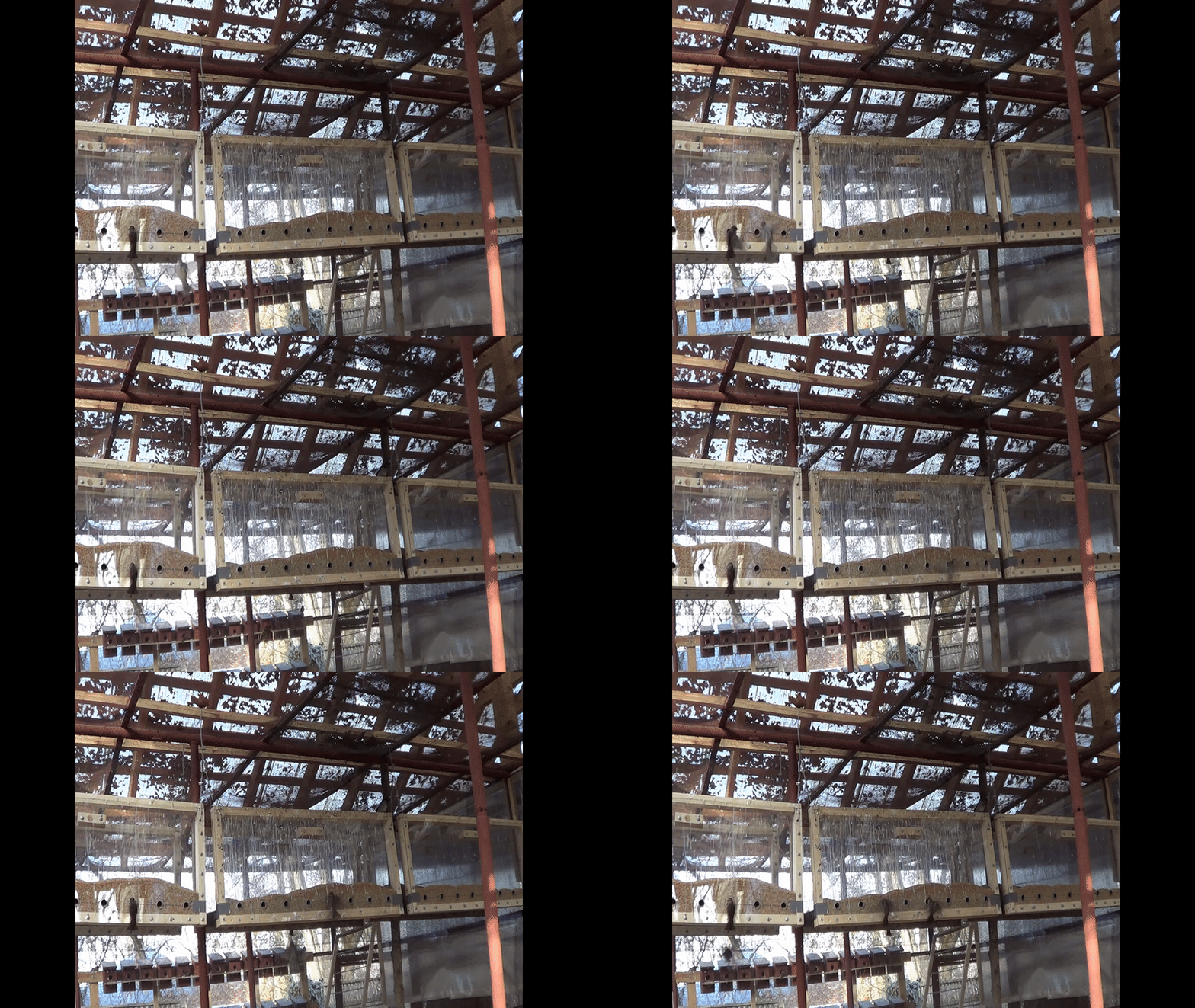
18th November, 2022 – Our house sparrows are hovering
After the house sparrows successfully habituated to the suspended feeders, our next goal to achieve was to train the sparrows to use the suspended feeders without landing on the perches, by hovering in front of the feeding holes. In order to reach this state, we have removed the perches from the feeders every day for 3 hours to motivate the birds to use the suspended feeders without the perches.
After a training period of 7 days, birds already made visible advances and most of them learnt to hover and to forage without using the perches. In the following days we will gradually increase the period without the perches, until all birds will forage exclusively by hovering all day long. After this, we will desemnate which of the two groups will be the control group, and which will be the group that will do extra exercise. Birds from the exercise group will continue to forage only by hovering, while birds from the control group will get the perches re-installed on the suspended feeders.
10th October, 2022 – We successfully tested two point-of-care devices on house sparrows
Point-of-care (POC) devices are small devices field ecologists use to gather data fast and in a reliable manner, bypassing the costs of laboratory measurements. POC devices are regularly devised and optimized for measuring whole blood glucose and β-hydroxybutyrate levels in humans, but some devices were also successfully tested and employed in studies regarding bird (e.g., Morales et al. 2020). As we expect that the lifespan-increasing treatments to be employed in our forthcoming experiments will have an effect on both blood glucose and β-hydroxybutyrate levels, we needed find POC devices that are able to reliably measure these variables in the field.
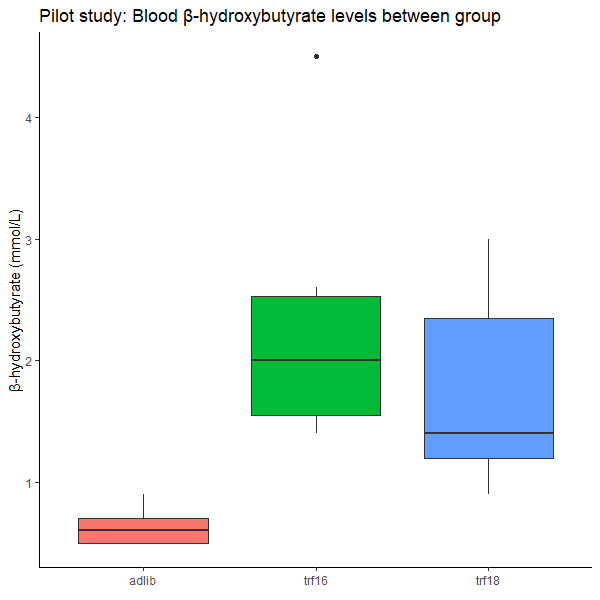
After a thorough market survey, we first chose to test the CareSens Dual device, compatible with both the CareSens Pro glucose- and the KetoSens β-hydroxybutyrate test stripes. We tested these stripes on the birds belonging to the dietary restriction pilot study (the results of which are described below), exposed to 8-hour-long (trf16 group), 6-hour-long (trf18 group) and ad libitum feeding bouts. Birds fasted for 8 or 6 hours had higher β-hydroxybutyrate levels in their blood compared to birds with unlimited access to food, indicating that our dietary restriction treatment has measurable effects on this variable. Within individual samples of β-hydroxybutyrate were highly repeatable (rptR: R = 0.937, P < 0.001). However, we did not manage to reliably measure blood glucose levels with the CareSens Pro stripes, probably due to the high humidity of the room we were sampling the birds in.
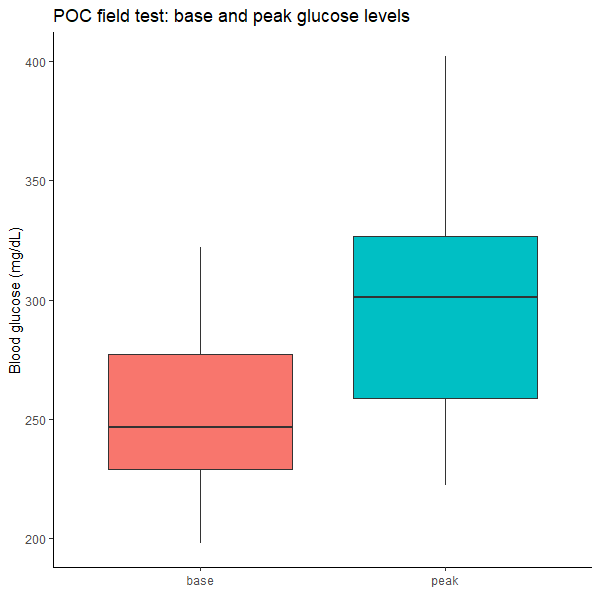
The Abbott FreeStyle Freedom Lite POC device and Abbott FreeStyle Lite glucose test stripes were already tested with success on birds by Tomášek et al. (2018), but nonetheless, we decided to test the stripes on some free-ranging sparrows on a farm near to Cluj-Napoca. We measured blood glucose levels immediately after capturing the birds (base value), while a subset of birds was sampled also after 25-35 minutes (peak value). The stripes measured the glucose levels within the range known for birds, and surprisingly, the CareSens Pro stripes worked well too, although they measured generally higher values, closer to their upper range. The within individual repeatability of the Abbott FreeStyle Lite stripes was very high (rptR: R = 0.941, P < 0.001), and the correlation between Abbott FreeStyle Lite and CareSens Pro stripes was also high (R = 0.971, P < 0.001). We decided to use the Abbott FreeStyle Freedom Lite POC device and Abbott FreeStyle Lite glucose test stripes for the forthcoming experiments, as the blood glucose values measured with the CareSens Dual POC device were too close to the upper limit of its measuring range.
25th October, 2022 – The results of or dietary restriction pilot study are in
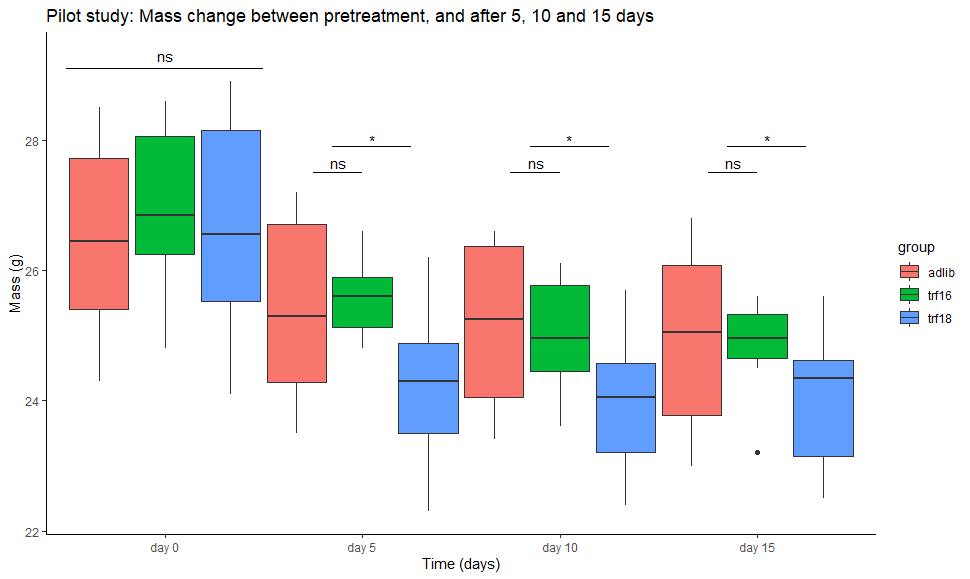
In order to assess the severity of two proposed periods for time restricted feeding, we performed a pilot study on 27 house sparrows outside our experimental birds. These birds were housed in individual cages and had unrestricted access to food throughout the day (adlib group), or had access to their feed only for 8 hours (trf16 group) or 6 hours (trf18 group).
Although all birds lost mass after the first 5 days of treatment, they adapted swiftly to their new feeding period, maintaining their mass throughout the rest of the experimental period. Birds fed for only 6 hours/day had lower body mass compared to the birds fed 8 hours/day or ad libitum, and there was no difference in mass between birds fed 8 hours/day or ad libitum. Therefore, in order to elicit a meaningful treatment for the experimental birds, we decided to implement the 6 hour long feeding schedule for the time restricted treatment group.
As the minimal daylength at our latitude (N 46.77°) is 8 hours and 32 minutes, a 6 hour-long feeding window (as in the trf18 group) would mean that even in the wild, birds can allocate 70.3% of the day for feeding. As such, we consider that the 6 hour-long feeding window (or 18 hour-long starvation) in the experimental group is close to the natural conditions sparrows face in the wild in the harshest period of the year.
30th September, 2022 – Pilot study for the dietary restriction experiment
Dietary restriction is known to have health benefits and to extend the lifespan of varied organisms. Before starting our experiment to test the effect of this treatment on house sparrows, we perform a short pilot study using 27 house sparrows outside our experimental birds.
In the next 14 days, these sparrows will be housed in individual cages and will have access to food ad libitum throughout the days or will be restricted to access either 8-hours/day or 6-hours/day. Birds will be weighted regularly to assess the severity of the dietary treatment, and the results of the pilot study will constitute the basis of our experimental protocol.
5th September, 2022 – The house sparrows use the feeders
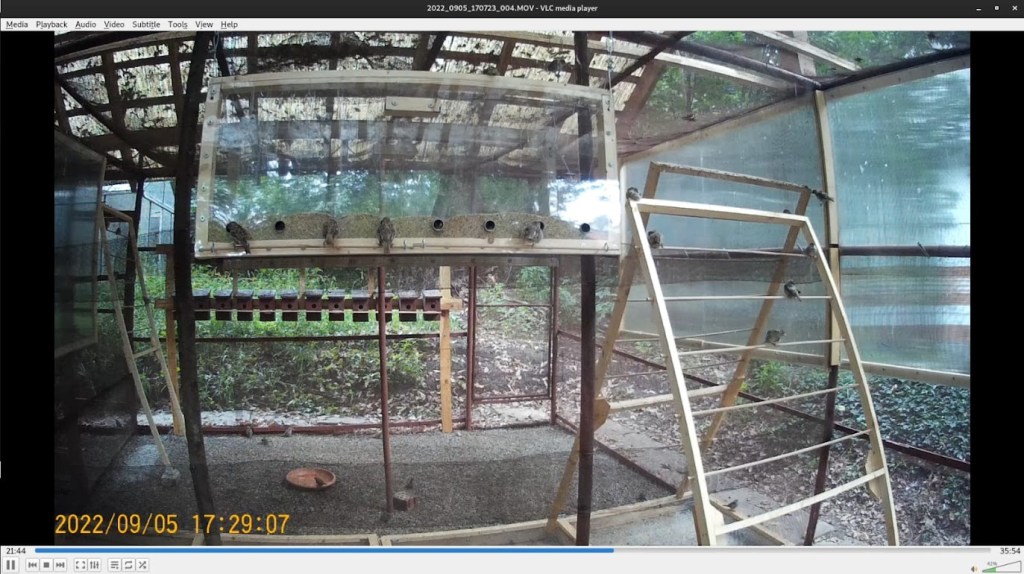
Physical exercise is known to improve health and increase (healthy) lifespan in varied organisms. Flight-capable species, however, are rarely used as model organisms to test this theory of ageing. We plan to stimulate house sparrows to feed while hovering in front of the feeders (exercise birds) and compare their physiological and organismal state to controls (non-exercise birds) that feed easily from the ground.
House sparrows usually forage for food on the ground, and we were a bit worried that they will prefere eating from the ground trays rather than from the custom-made suspended feeders we built for them from scratch. We are happy to see that at least part of our sparrows use the suspended feeders, yet without hovering but using the perches. The next step will be the gradual removal of the perches, hence forcing them to hover in order to get seeds from the suspended feeder.
11st August, 2022 – Newly published article in Ecology and Evolution
The relationship between avian oxidative physiology and plumage coloration has been a subject of significant interest in recent decades. Various proximal hypotheses have been proposed to explain how oxidative status may correlate with the production of melanin and carotenoid pigments in birds. Some hypotheses suggest that these pigments or their precursors, like glutathione, possess antioxidant properties or serve as storage molecules for excess intracellular compounds, while others emphasize that these pigments can act as pro-oxidants under specific conditions. Most studies examining these associations have focused on the intraspecific level, with limited phylogenetic comparative research, which is essential to assess the general applicability of these associations. In this study, we investigated whether plumage and bare part coloration were linked to oxidative physiology at an interspecific level. This investigation involved the measurement of five oxidative physiology markers (comprising three nonenzymatic antioxidants and two indicators of lipid peroxidative damage) in 1387 individuals from 104 European bird species, all sampled during the breeding season. We also assessed plumage eumelanin, pheomelanin, and carotenoid content for each sex and species. The findings indicate that only the plasma level of reactive oxygen metabolites exhibited a relationship with melanin coloration. Specifically, it was positively associated with eumelanin score and negatively correlated with pheomelanin score. This suggests that our results do not provide support for the role of antioxidant glutathione in driving variation in melanin synthesis across bird species. Furthermore, the scores for carotenoids in feathers and bare parts did not show a connection with the measured oxidative physiology parameters, implying that the pronounced differences in pigmentation among bird species do not influence their oxidative state.
Dr. Attila Marton, Dr. Csongor I. Vágási, Dr. Orsolya Vincze and Dr. Attila Fülöp were supported by the TE grant.
Abstract
The mechanistic link between avian oxidative physiology and plumage coloration has attracted considerable attention in past decades. Hence, multiple proximal hypotheses were proposed to explain how oxidative state might covary with the production of melanin and carotenoid pigments. Some hypotheses underscore that these pigments (or their precursors, e.g., glutathione) have antioxidant capacities or function as molecules storing the toxic excess of intracellular compounds, while others highlight that these pigments can act as pro-oxidants under specific conditions. Most studies addressing these associations are at the intraspecific level, while phylogenetic comparative studies are still scarce, though needed to assess the generality of these associations. Here, we tested whether plumage and bare part coloration were related to oxidative physiology at an interspecific level by measuring five oxidative physiology markers (three nonenzymatic antioxidants and two markers of lipid peroxidative damage) in 1387 individuals of 104 European bird species sampled during the breeding season, and by scoring plumage eumelanin, pheomelanin, and carotenoid content for each sex and species. Only the plasma level of reactive oxygen metabolites was related to melanin coloration, being positively associated with eumelanin score and negatively with pheomelanin score. Thus, our results do not support the role of antioxidant glutathione in driving variation in melanin synthesis across species. Furthermore, the carotenoid scores of feathers and bare parts were unrelated to the measured oxidative physiology parameters, further suggesting that the marked differences in pigmentation across birds does not influence their oxidative state.
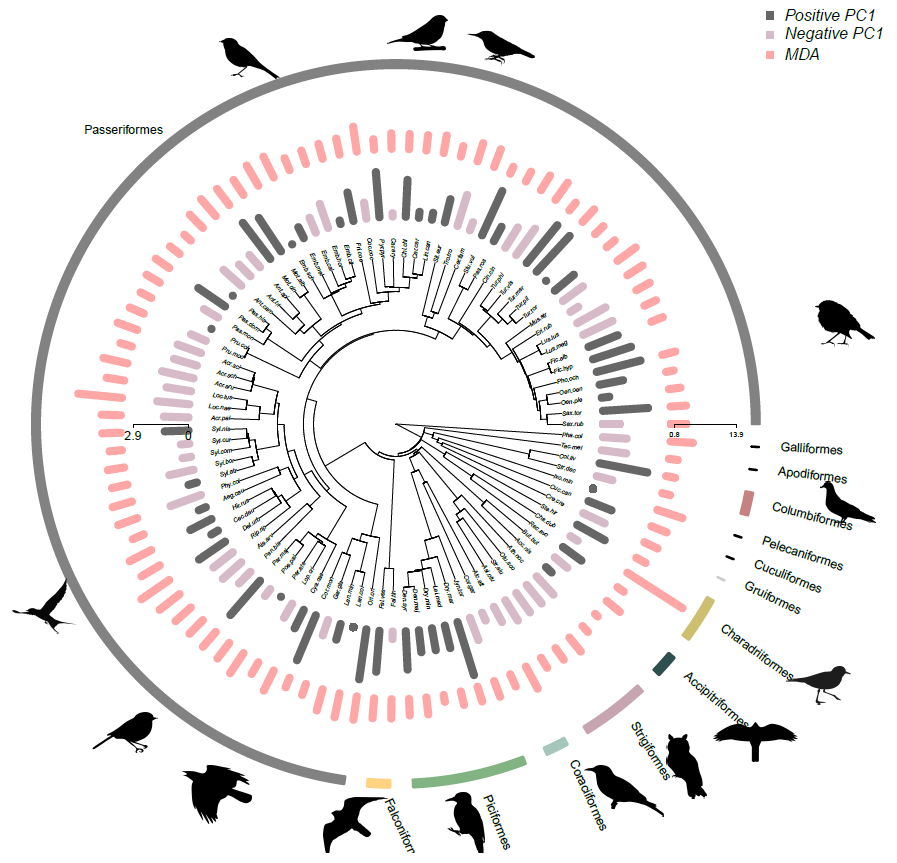
PC1 score is positive for eumelanin colouration and positive for phaeomelanin colouration
29th July, 2022 – Catching sparrows at Bălcaciu farm
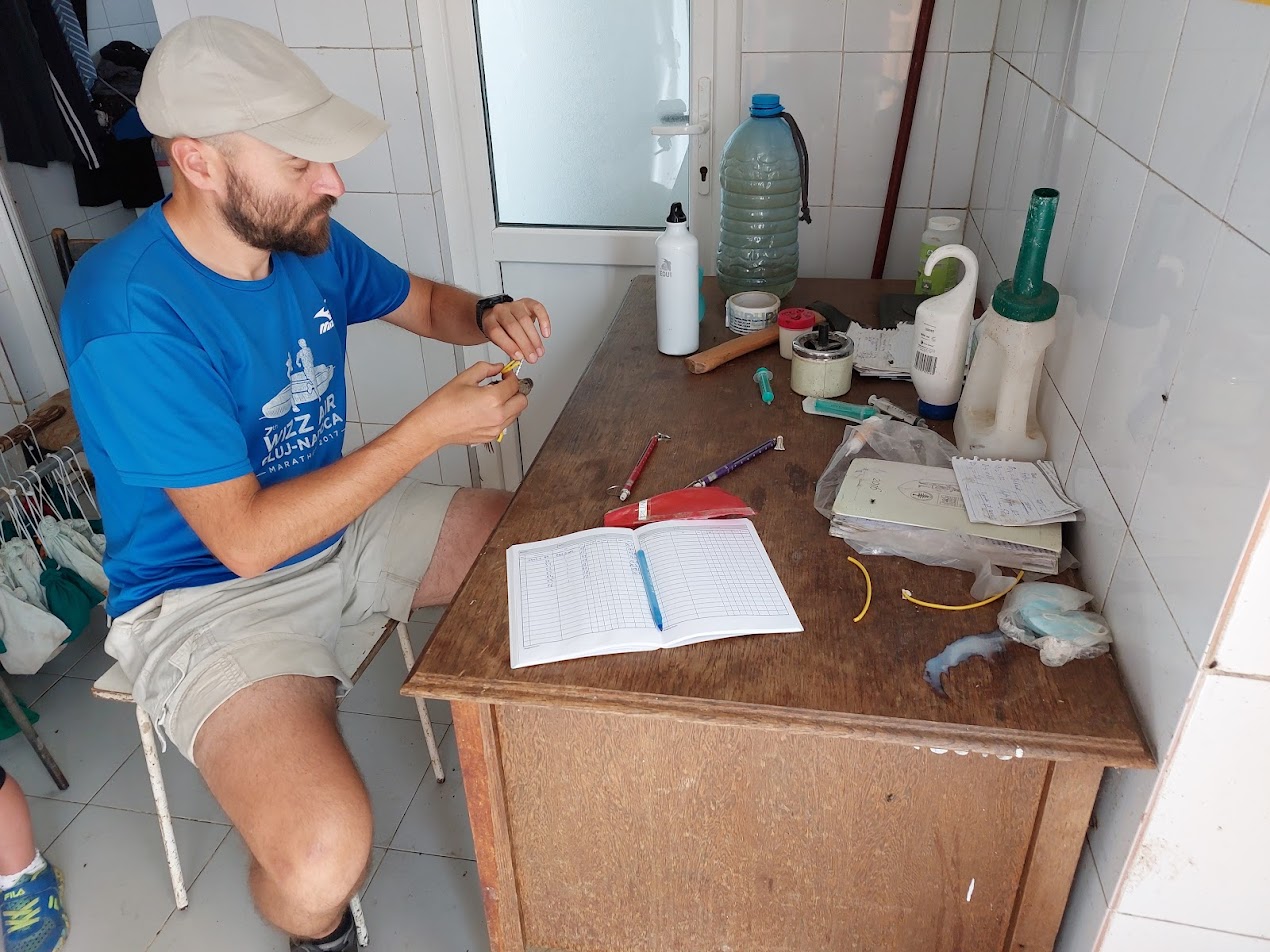
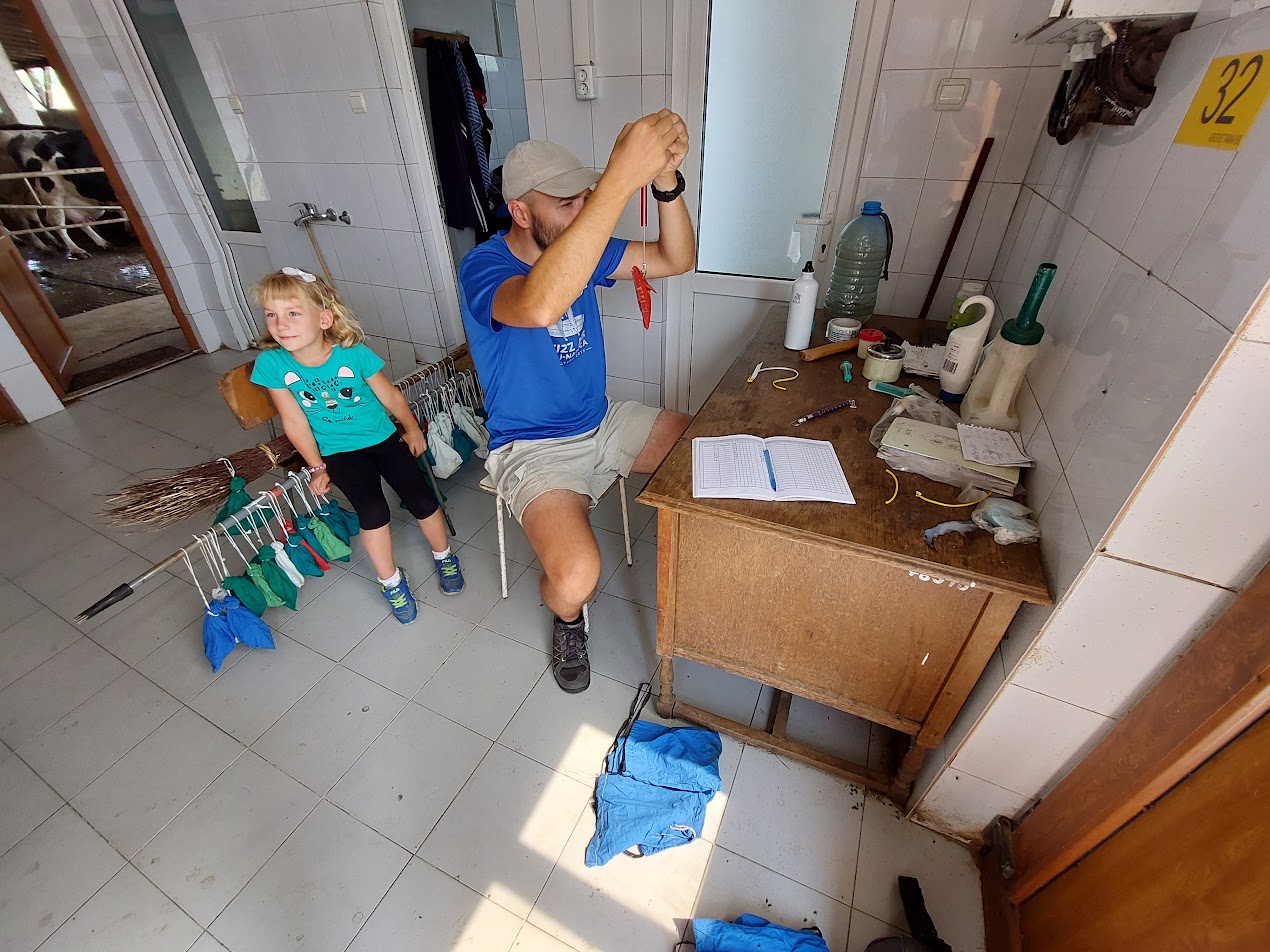
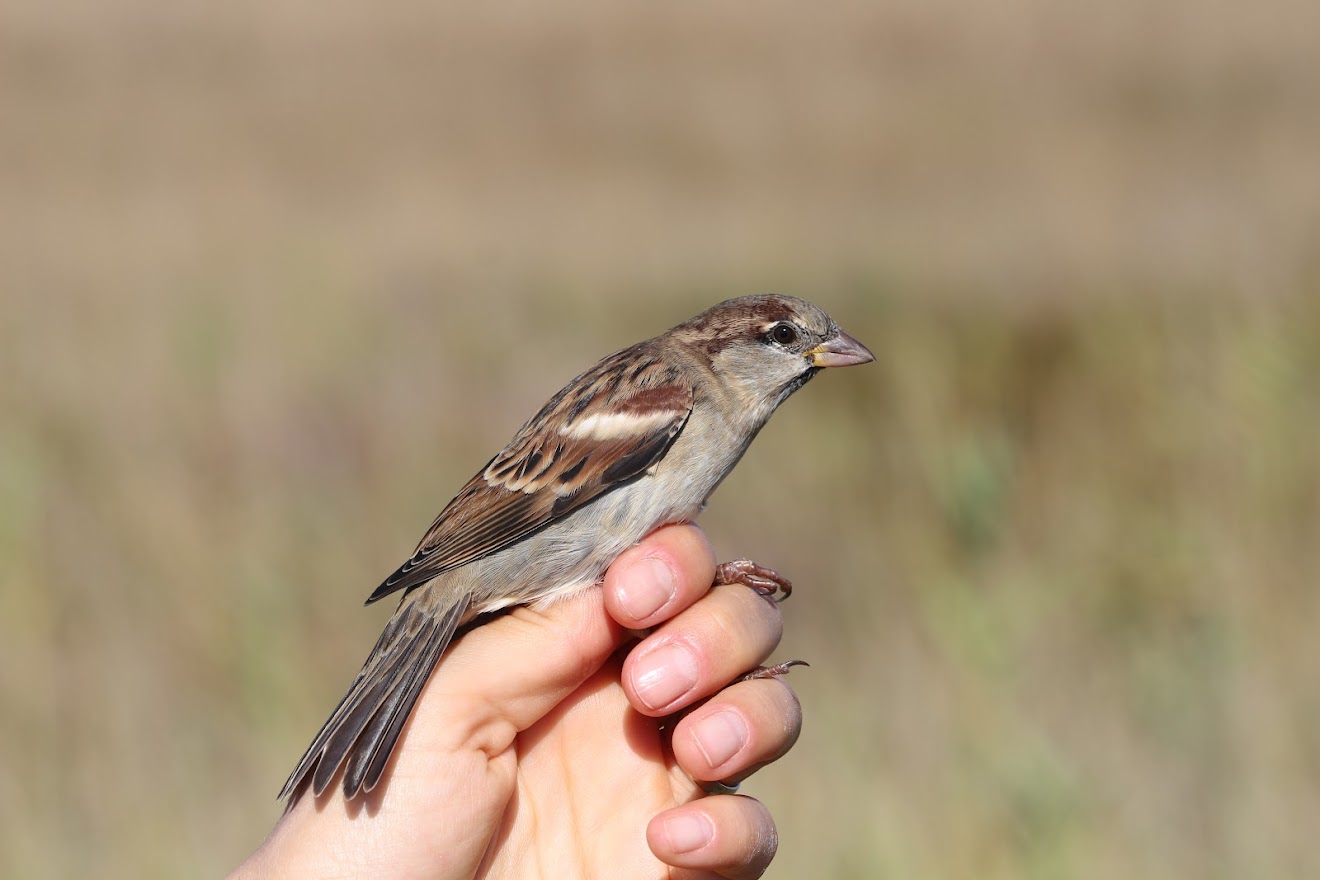
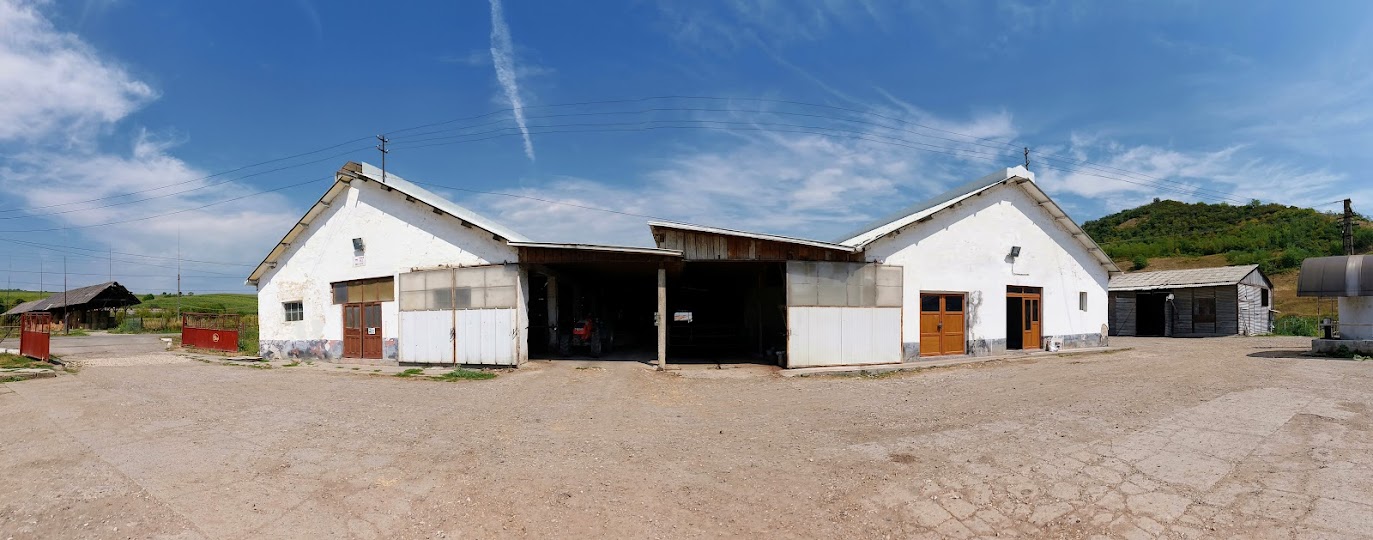
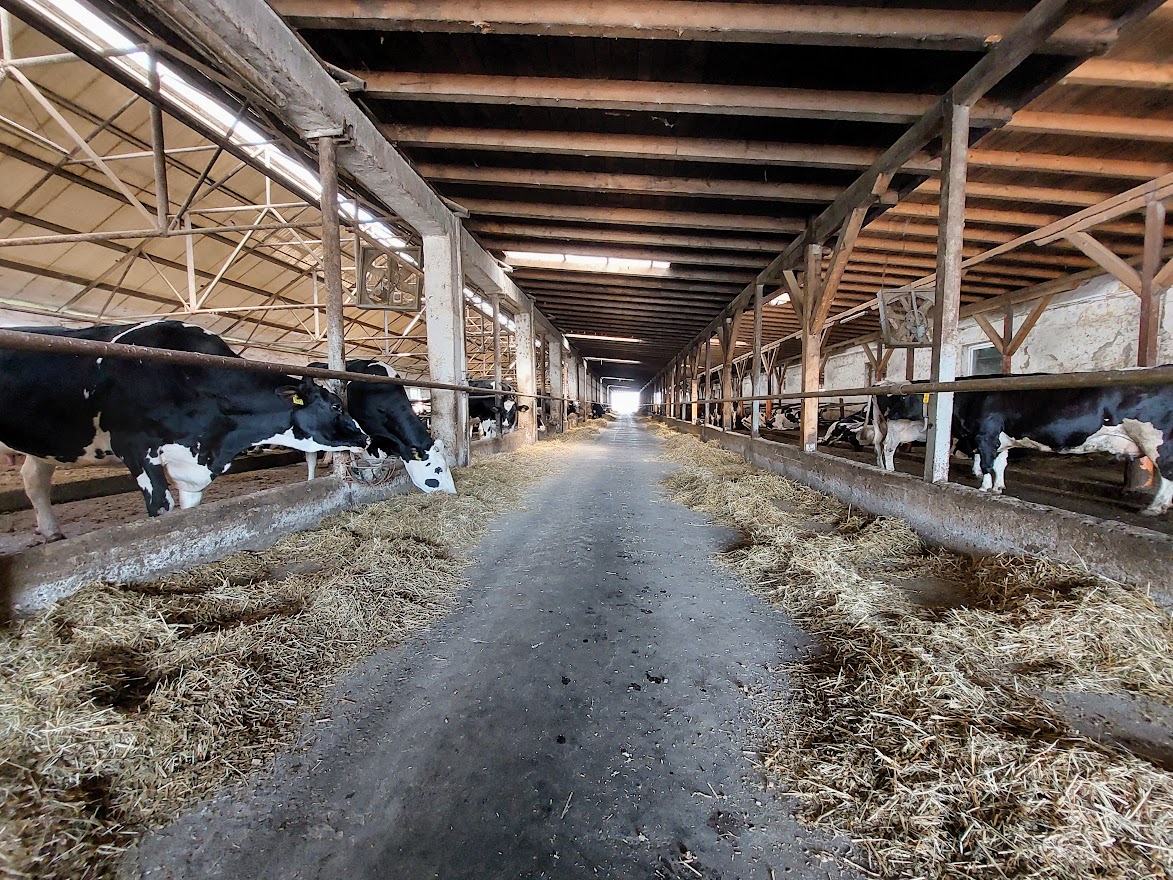
After a day of visiting different farms in Cluj County, we decided to visit a cattle farm in Bălcaciu, Alba County, one of our main sources of sparrows for previous experiments. Here, we caught 130 first-year house sparrows and brough them back to the newly refurbished aviaries at the campus of Babeș-Bolyai University for a longer accommodation period.
House sparrows, as other bird species, are the most vulnerable in their first year of life, many individuals dying of natural causes or predation before the onset of the first winter. The sparrows brought in for our experiment face much better chances for surviving the winter, as they have access to food and water, and they are not threatened by predation.
15th July, 2022 – All set to house some house sparrows!
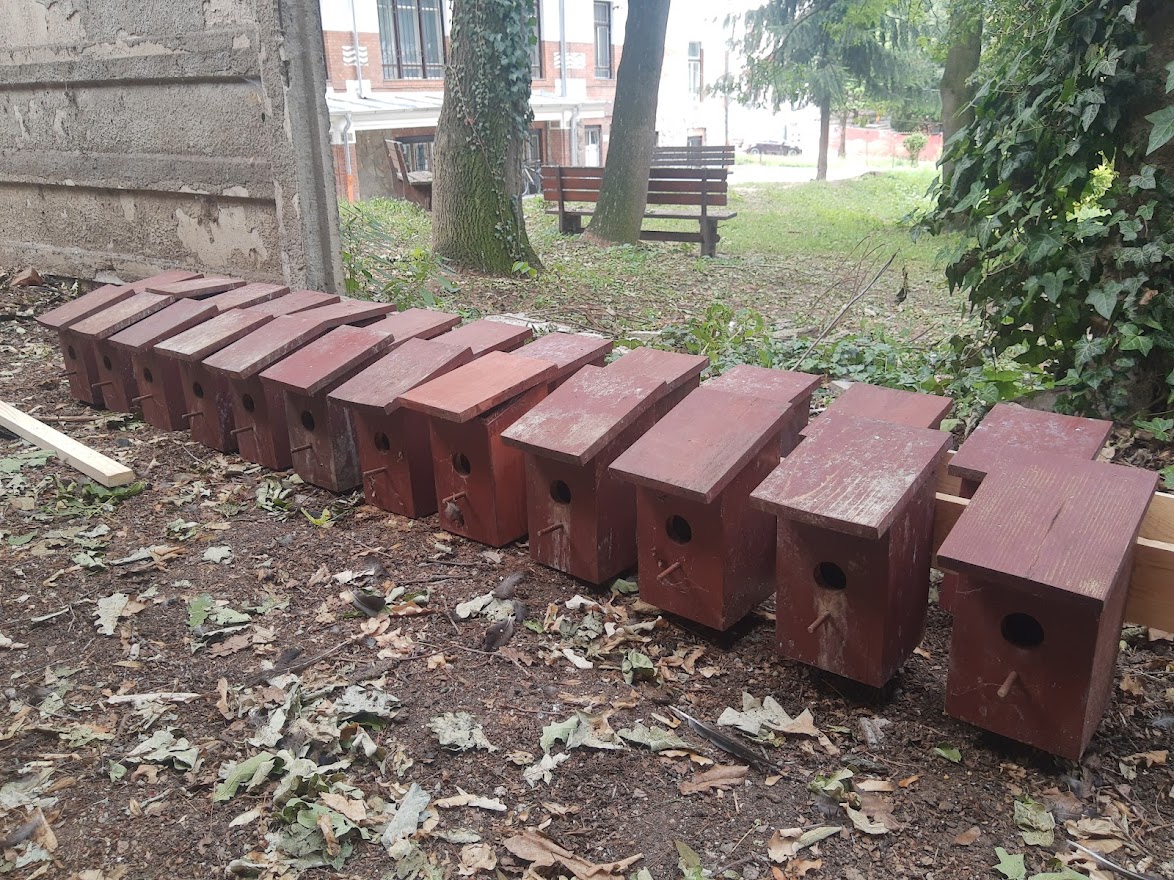
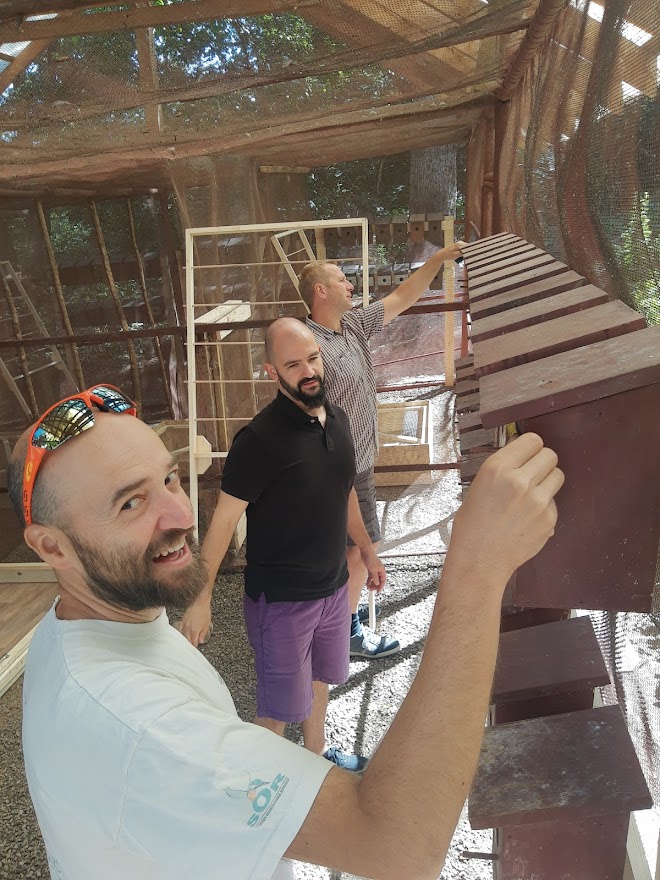
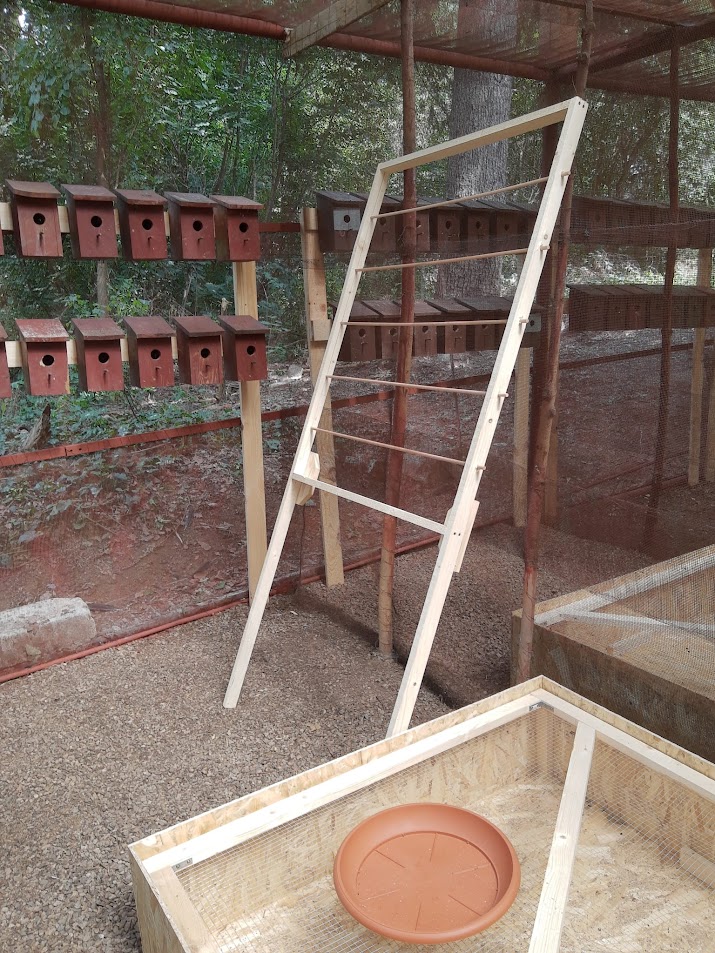
Among the main objectives of our TE grant is to perform two experiments using house sparrows (Passer domesticus) in order to test the benefic effects of dietary restriction and physical exercise on health and ageing. We redesigned our outdoor aviaries to contain individual nest boxes for each sparrow, roosting sites and containers that catch the food spillover to limit the possibility of sparrows to forage for food on the ground. The University’s Ethical Board approved our experiments; therefore, the next step is to catch the sparrows.

10th July, 2022 – Welcome back, dr. Fülöp!
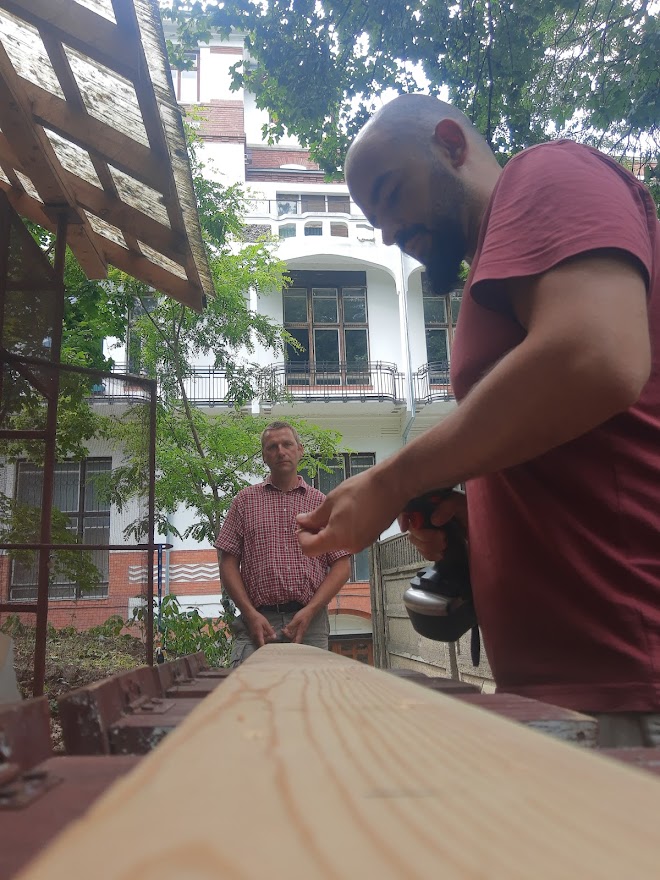
 Former alumni, Attila Fülöp, rejoined our research group being employed in our TE grant after obtaining his PhD at the University of Debrecen, Hungary. During his PhD studies, Attila worked on disentangling how consistent individual variation in behaviour, labelled as animal personality, is related to different aspects of social behaviour in house sparrows Passer domesticus and tree sparrows Passer montanus. Besides, as a result of numerous collaborations with different research groups over the years, Attila also published papers on the autumn migration of large-sized raptors in Eastern Europe, on the coevolution between the brood parasitic common cuckoo Cuculus canorus and their great reed warbler Acrocephalus arundinaceus hosts in Hungary, but also on the effects of feather-degrading bacteria on their avian hosts. We are happy that he decided to apply for our research assistant position, and we look forward to collaborating with him once again.
15th May, 2022 – TE grant contract signed
Grant code: PN-III-P1-1.1-TE-2021-0502
Grant title: The physioLogical basIs oF agEing and Life hIstories iN vertEbrates
Acronym: LIFELINE
Principal investigator: dr. Csongor I. Vágási, Babeș-Bolyai University, Cluj
Team members: dr. Orsolya Vincze, Attila Marton and dr. Attila Fülöp
Grant summary: Explaining the various ways of ageing and survival in wild-living organisms is an enduring challenge in biology. Although several theories explain how longevity and ageing could have evolved, the underlying physiological mechanisms that drive their evolution are still limited. We propose a research agenda, which aims to disentangle the physiological drivers of ageing, of ageing-related organismal and cellular traits (metabolism, telomere erosion), of ageing-related pathologies (cancer) and of survival rate. The strengths of our proposal consist in its:
(1) multidisciplinarity – topic at the crossroad of gerontology, evolutionary biology, ecophysiology;
(2) ability to generalize – we will analyse datasets of hundreds of bird and mammal species;
(3) diverse approaches – we will combine laboratory experiments and comparative analyses;
(4) implications – our findings can bring helpful insights for human ageing and medicine.
Our team is composed of young researchers who have already worked efficiently together, producing novel scientific results and publishing these in high-ranking journals. Our team includes researchers with experience in ecology, experimental biology, comparative biology and biochemistry. Our expertise in this topic and the facilities at the host institute warrants the successful implementation of the project. We expect to publish our findings in leading scientific journals and to disseminate them both at conferences and towards the wider audience.

